Hotel guide Algarve for gastronomy led stays
The serious hotel guide Algarve starts with a simple question ; where will you actually eat. In southern Portugal the answer is often inside the property itself, because the right hotel turns the cataplana from a token fish stew into a nightly ritual that frames your entire stay. Choose a hotel in the Algarve that treats its kitchen as carefully as its pool and you will taste the coastline differently, from the first clam to the last fig.
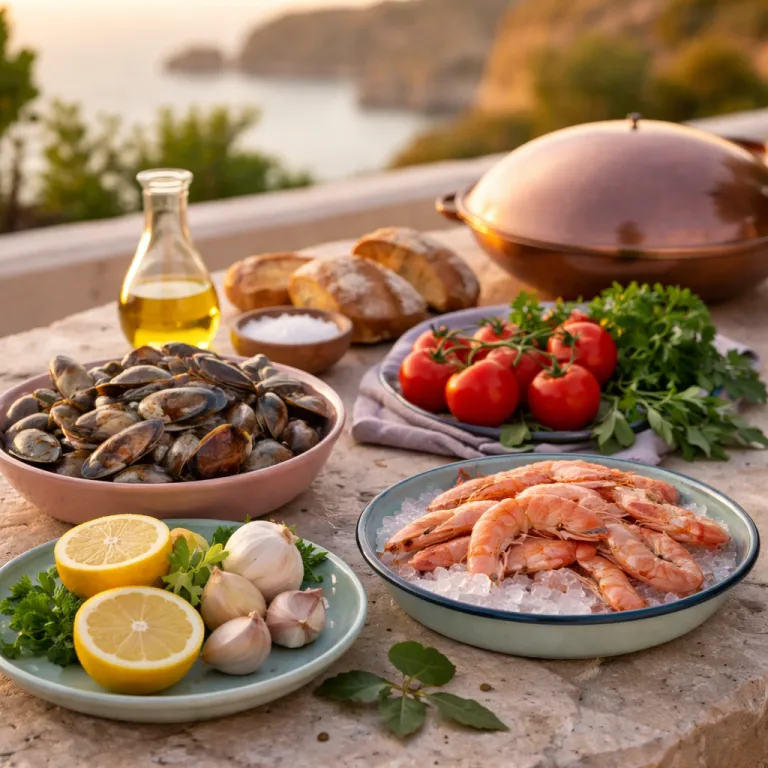
The cataplana is a hinged copper vessel shaped like a clam shell, and in the Algarve it matters more than any star hotel rating or lobby design. Its Moorish lineage explains why Algarvian cooking leans toward steam, aromatics and restraint rather than heavy sauces, and why the best hotels in western Algarve or central Algarve quietly build their menus around it instead of hiding it on a tourist page. When you plan where to stay Algarve wide, look for properties that talk about their cataplana with the same pride they reserve for their private beach or heated pool.
Across the region the average hotel rating hovers around 4.5 stars, with roughly 65 properties listed as hotels and resorts and an average price close to 120 euros per night, and those numbers matter when you are balancing budget against gastronomy. The most reliable hotel guide Algarve platforms now filter by on site restaurant quality as carefully as by spa or room size, which helps solo travelers who want to stay in a small property but still eat at a serious table. Travelers are also turning toward eco conscious stays and intimate properties rather than anonymous blocks, so the best beaches and the best cataplana increasingly sit beside each other on the same curated shortlists.
From Moorish pot to Michelin plate along the coast
The cataplana arrived in the Algarve with Moorish metalwork and a coastal logic ; seal the seafood, trap the steam, keep the flavours clean. That logic now runs from fishermen’s shacks on the western Algarve cliffs to polished dining rooms in central Algarve resorts, and it is reshaping how hotels think about their kitchens. When Michelin inspectors talk about cooking over fire, fermentation and tableside service, they are really describing a return to the kind of elemental theatre the cataplana has staged for centuries.
Seven Michelin starred restaurants now operate in the Algarve, with seven more newly recommended, and many of the most interesting kitchens sit inside or beside luxury hotels rather than in the old town centres. A precise hotel guide Algarve will point you toward properties where the chef works the cataplana in the dining room, lifting the lid at the table so the first wave of steam hits you before the wine, which turns dinner into performance rather than mere service. Use an elegant map of western Algarve luxury stays to understand how these restaurants cluster along the coast, then decide whether you want your cataplana with a view of a wild beach or a sheltered marina.
On the Costa Vicentina, where the Atlantic hits harder and the beaches feel raw, the cataplana tends to be leaner and more direct, often cooked with line caught fish and clams lifted from nearby beds. In the eastern Algarve, closer to Tavira and Castro Marim, you will see more influence from the Ria Formosa lagoon and its shellfish farms, which means cataplanas heavy with razor clams, cockles and local prawns. Between these poles the central Algarve resorts thread a middle path, pairing refined cataplana broths with polished service, deep wine lists and the kind of linen that justifies a longer stay.
Three cataplanas worth planning your stay around
For a fine dining benchmark, start with Ombria Kitchen in the hills above the central Algarve, where the signature Algarvian cataplana folds black pork, chorizo, shrimp and clams into a broth that tastes like a conversation between land and sea. The dish borrows the logic of carne de porco à alentejana, where pork and clams share the same pan, but the cataplana format lets the steam carry every spice note into the meat without drying it. Book a hotel nearby and you can stay Algarve side without rushing back to the coast after dinner, trading the beach for a quieter valley and a different kind of night sky.
On the coast near Praia Canal, a new generation of properties treats the cataplana as a house manifesto rather than a menu obligation, often serving it in small copper pots for solo travelers at the bar. Here the focus is on line caught fish, local octopus and vegetables from nearby farms, which turns the cataplana into a kind of canal nature snapshot of the western Algarve on a single plate. Pair that with a room that faces the natural park cliffs and a private pool, and you have a place to stay where the distance between sea, kitchen and bed is measured in metres rather than marketing.
Down in Lagos, stay Lagos side near the marina if you want a mid tier version that still respects the pot, with generous portions and a wine list that understands Dão as well as Alentejo. A reliable hotel guide Algarve will steer you toward elegant hotels in Algarve Portugal where the restaurant buys from the same fishermen who supply the quayside grills, which keeps the cataplana honest even when the dining room feels polished. In Tavira and the quieter Algarve Tavira hinterland, look for small guesthouses that serve cataplana only on certain nights, because that usually means the cook waits for the right catch rather than freezing a tourist portion.
Where to sleep for serious seafood from Lagos to Tavira
Choosing the right place to stay between Lagos and Tavira is less about counting beaches and more about understanding how each town cooks the sea. Lagos gives you dramatic cliffs, easy access to some of the best beaches in the western Algarve and a dense cluster of restaurants, so staying here suits travelers who want to explore on foot and eat late. A small hotel near the old town lets you walk from a cataplana dinner straight to the harbour, while a star hotel above the beach trades that bustle for a private balcony and the sound of the Atlantic.
In Tavira and the eastern Algarve, the rhythm slows, the Ria Formosa lagoon shapes the menu and the cataplana leans toward shellfish and rice. Here a thoughtful hotel guide Algarve will highlight riverside properties and converted farmhouses where dinner is served under citrus trees, and where the cataplana arrives in a pot that has seen years of service rather than a showroom shine. Staying in this part of Portugal suits solo travelers who want to cycle between beaches, watch the tides shift across the lagoon and return to a dining room that feels like an extended family table.
Between these poles Faro acts as a practical hub, with its airport, compact old town and quick access to both central Algarve resorts and quieter eastern beaches. Use it as a first night base if your flight lands late, then move on to a longer stay in Lagos, Tavira or the hills above the coast, perhaps in a property like Vila Vita Parc Resort or Vilalara Thalassa Resort if you want full service luxury. For a different perspective on the region, consider a night or two in the Monchique mountains, where serene mountain luxury above the Algarve coast offers cooler air, chestnut woods and kitchens that reinterpret coastal cataplana with inland ingredients.
Eastern quiet, nature retreats and how to avoid tourist cataplana
The eastern Algarve rewards patience, especially if you are chasing a quieter cataplana away from the main resort strip. Near Castro Marim and Vila Nova de Cacela, properties such as Pensão Agrícola show how a nature retreat can still take food seriously, serving cataplana in a courtyard where the only soundtrack is cicadas and cutlery. Stay in this corner of Portugal if you want to pair long walks through salt pans with evenings where the copper pot arrives at your table without fanfare, just steam and the smell of garlic.
Further west along the Costa Vicentina and around Sagres, the mood shifts to surf breaks, wind and a wilder Atlantic, and the cataplana reflects that with bolder broths and thicker cuts of fish. Here a good hotel guide Algarve will point you toward small properties that sit just back from the beach, where the restaurant buys directly from the harbour and serves cataplana only when the catch justifies it. These are not boutique hotels in the marketing sense but lived in places to stay, where the same family might check you in, pour your wine and lift the lid on your dinner.
To avoid a tourist cataplana, watch for laminated photos, all day service and pots that arrive suspiciously fast, because a real version takes time to build flavour. Ask where the clams came from, whether the broth uses fish heads and trimmings, and if the kitchen will adjust the mix of seafood or black pork to your taste, because flexibility usually signals a cook who actually cares. When you find that level of attention in a hotel dining room, you have more than a comfortable stay Algarve wide ; you have a reason to return, and a copper pot that anchors your memory of the coast.
FAQ
What are the top rated hotels in the Algarve for food focused stays ?
Vila Vita Parc Resort and Vilalara Thalassa Resort are highly rated, and both pair strong kitchens with full service facilities. These properties suit travelers who want spa time, a serious wine list and refined versions of regional dishes such as cataplana. Use a detailed hotel guide Algarve to compare their locations, room types and restaurant concepts before booking.
When should I book my Algarve hotel if I want the best dining options ?
Book 2 to 3 months in advance for peak season, especially if you are targeting hotels with Michelin level restaurants or limited room counts. Early booking increases your chances of securing both a preferred room type and prime dinner reservations. This matters in smaller towns such as Lagos or Tavira, where the best dining rooms fill quickly.
Are there budget friendly places to stay near good cataplana restaurants ?
Yes, hostels and budget stays are available across the Algarve, often within walking distance of excellent seafood restaurants in towns like Faro, Lagos and Tavira. Focus on central locations rather than on site facilities, then spend your savings on dinners built around cataplana and grilled fish. Platforms such as Algarve Travel Guide help filter options by price, rating and proximity to dining districts.
How can I tell if a hotel restaurant serves an authentic cataplana ?
Look for menus that treat the cataplana as a house specialty rather than a generic tourist dish, often with specific references to local clams, seasonal fish or black pork. Authentic versions usually require advance ordering or a short wait, and the pot is opened at the table so you can see and smell the steam. Staff should be able to explain the ingredients, the cooking time and the regional style, whether western Algarve, central Algarve or eastern Algarve.
Is it better to stay by the beach or inland for food experiences ?
Staying by the beach gives you immediate access to quayside grills and seafood focused restaurants, especially in Lagos, Sagres and along the Costa Vicentina. Inland stays near the Monchique hills or rural Tavira offer quieter nature retreats where hotels often serve more elaborate cataplana dinners using both coastal and inland ingredients. The best approach is to split your trip between a coastal hotel and a countryside property so you experience both sides of Algarvian cooking.