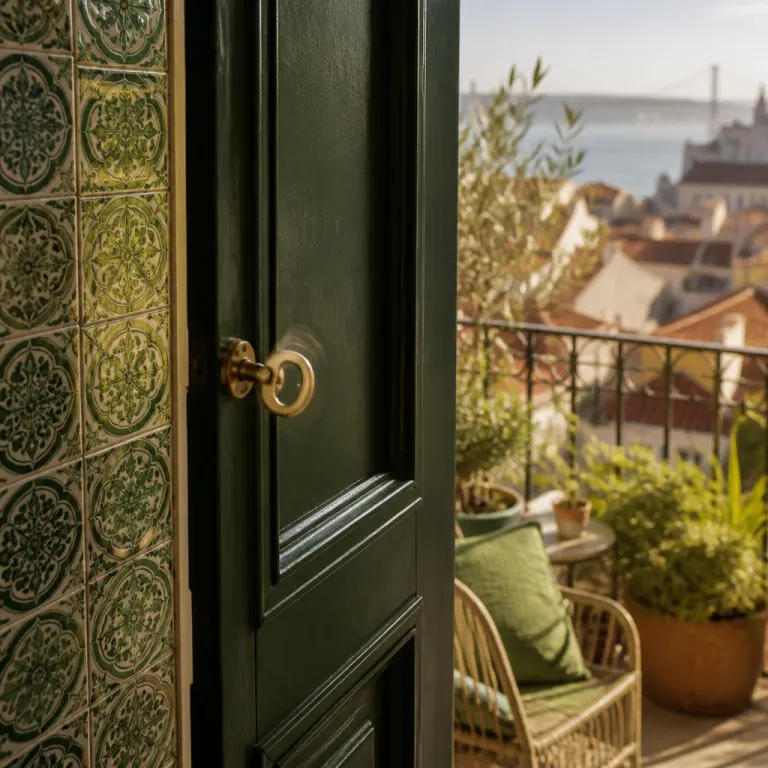
How to choose where to stay in Lisbon, Portugal
Choosing where to stay in Lisbon, Portugal starts with understanding the city layout. The historic centre looks compact on a map, yet each neighborhood offers a very different rhythm and a different way to experience the capital. Before you book any hotel, match your travel style with the streets, hills, and public transport connections that will shape every day of your trip.
For first time visitors, Baixa and Chiado form the most central Lisbon core, and they are often the best place to stay if you want to walk almost everywhere. Local tourism reports and city statistics consistently describe Baixa & Chiado as central and convenient, and pre‑pandemic data from Turismo de Lisboa (Lisbon Tourism Board) for 2018–2019 indicates that this downtown area attracts a large share of the roughly 4.5 million annual visitors who stay in the municipality. When you are planning where to stay in Lisbon, Portugal, this Baixa Chiado zone gives you flat streets, elegant squares, and quick metro access in every direction.
Think carefully about the pros and cons of each neighborhood before you decide where to stay. Some hotels in Bairro Alto or Príncipe Real offer spectacular city views, yet the nightlife can run late and loud, which may not suit light sleepers who want a calm base in the city. By contrast, areas around Avenida da Liberdade, Marquês de Pombal, and Avenidas Novas feel more residential and polished, with wider streets, tree lined avenues, and a calmer atmosphere after dark.
When you compare hotels, look beyond the star hotel rating and focus on real details that affect your comfort. Check how close the property is to a metro station, tram stop, or major public transport hub, especially if you plan several day trips from Lisbon. Read a guide that explains whether you are staying in Baixa, Chiado, Bairro Alto, Príncipe Real, Belém, or São Bento, because the neighborhood name tells you a lot about how your Lisbon stay will feel.
Baixa and Chiado: central Lisbon for first time stays
Baixa and Chiado sit at the very heart of Lisbon, and they are usually the best answer when people ask where to stay in Lisbon, Portugal for a first visit. This central Lisbon area is largely flat, framed by the riverfront and the hills of Bairro Alto and Castelo, which makes it easier to walk between sights and your hotel. If you like to step out of your lobby straight into lively streets, cafés, and tram stops, staying in Baixa or Chiado will feel natural.
Baixa offers grand squares, neoclassical façades, and a grid of streets that feels intuitive even on your first day. Many hotels here occupy historic buildings that have been carefully restored, combining traditional tiles with modern comforts and wide city views from upper floors. Typical walking times are short: from Praça do Comércio to Rossio takes about 10 minutes on level streets, and the Baixa‑Chiado metro station sits roughly five minutes from most central hotels. When you choose a place to stay in Baixa, you gain quick access to the metro, trams, and ferries, which simplifies day trips along the Tagus and deeper into Portugal travel itineraries.
Chiado, just uphill, feels slightly more refined and artistic, with theatres, bookshops, and elegant cafés. A hotel in Chiado often gives you partial river views and a short walk to both Bairro Alto nightlife and the calmer streets of Príncipe Real. This is also where you will find some of Lisbon’s best independent hotels, which many travelers casually call a boutique hotel even when the property positions itself as a design focused or lifestyle address.
When you weigh the pros and cons of staying in Baixa or Chiado, consider noise, convenience, and your daily rhythm. Baixa Chiado metro station connects several lines, so you can reach Belém, Parque das Nações, or even the airport with no more than one change, and the ride to the airport usually takes around 30–35 minutes on current metro timetables (checked in 2024). If you enjoy refined hotels in other Portuguese regions, such as elegant hotels in São Miguel in the Azores, you will likely appreciate the polished yet central feel of Chiado’s most established addresses.
Bairro Alto and Príncipe Real: character, nightlife, and city views
For travelers who want character and nightlife, Bairro Alto and Príncipe Real answer a different version of the where to stay in Lisbon, Portugal question. These hilltop neighborhoods sit above Baixa and Chiado, offering some of the best city views from hotel terraces and miradouros. The streets are steeper here, but the reward is a real sense of Lisbon’s layered history and creative energy.
Bairro Alto is famous for its bars and late night atmosphere, which brings clear pros and cons depending on your priorities. If you want to stay in Lisbon and step directly into the nightlife, a hotel on a quieter side street in Bairro Alto can work beautifully, especially if you choose upper floors away from the busiest corners. However, families or light sleepers may prefer to stay slightly further north, where Príncipe Real offers a calmer yet still central Lisbon base.
Príncipe Real, often written as Principe Real in search queries, has become one of the Lisbon best areas for design forward hotels, leafy squares, and stylish restaurants. Many travelers looking for a small luxury hotel with personality search for a boutique hotel in this neighborhood, attracted by renovated townhouses and panoramic rooftop views. When you stay in Príncipe Real, you remain close to São Bento and the Parliament area, which adds another layer of architectural interest to your daily walks.
Transport connections from Bairro Alto and Príncipe Real rely more on trams, funiculars, and short walks down to the metro in Baixa Chiado or Avenida da Liberdade. Expect a 10–15 minute downhill walk from many streets in Príncipe Real to the Baixa‑Chiado station, and a similar time to reach Restauradores or Avenida. You will likely use the Elevador da Glória or the Bica funicular at least once, both of which help bridge the steepest sections between the riverfront and the hilltop streets. This means you should factor in a few extra minutes each time you head out for day trips or cross city excursions. For a deeper neighborhood level perspective on where to stay in Lisbon, Portugal for an elegant city escape, consult a dedicated Lisbon city stay guide that maps each area to specific travel styles and expectations.
Belém, Avenida da Liberdade, and Avenidas Novas: space, luxury, and calm
Some travelers asking where to stay in Lisbon, Portugal are really looking for space, greenery, and a slower pace. In that case, Belém, Avenida da Liberdade, and Avenidas Novas deserve close attention when you compare hotels and neighborhoods. Each area offers a different balance of culture, luxury, and residential calm, which can transform how your Lisbon stay feels from morning to night.
Belém lies west of the historic centre, along the river, and it suits longer stays or family focused Portugal travel. Here you will find major monuments, museums, and riverside paths, while hotels often provide larger rooms and easier access to parks. The pros and cons are clear: you gain space and a quieter neighborhood feel, but you rely more on trams and trains for central Lisbon sightseeing, so plan around 20–25 minutes by tram 15E from Belém to Cais do Sodré based on current schedules.
Avenida da Liberdade, often shortened to Avenida Liberdade in searches, forms Lisbon’s grandest boulevard, lined with luxury hotels, flagship stores, and shaded pavements. A five star hotel on this avenue usually offers polished service, refined interiors, and excellent soundproofing, which matters if you want a serene place to stay after busy days in the city. From here, you can walk to Baixa in about 15 minutes, reach the metro in minutes, and connect easily to Marquês de Pombal, the major roundabout that anchors several transport lines.
North of Marquês de Pombal, Avenidas Novas spreads out with wide streets, business buildings, and residential blocks. Hotels in Avenidas Novas often provide good value for space, modern facilities, and straightforward metro access, making this area practical for longer work related stays or repeat visitors who already know where to find their favourite restaurants. When you evaluate the pros and cons of Avenida da Liberdade versus Avenidas Novas, think about whether you prefer immediate luxury shopping and classic façades, or a more local, everyday Lisbon rhythm with easier parking and slightly quieter nights.
Practical tips: transport, day trips, and how your area shapes each day
Once you have narrowed down where to stay in Lisbon, Portugal, focus on how you will move around the city. Lisbon’s metro, trams, buses, and suburban trains form a dense public transport network, but your nearest station will strongly influence how your days unfold. A hotel near Baixa Chiado, Marquês de Pombal, or in central Lisbon generally means faster connections and fewer changes.
If you plan several day trips, such as Sintra, Cascais, or the Setúbal wine region, staying near major train hubs can save time and energy. For example, a place to stay near Cais do Sodré or Rossio station makes it easier to reach coastal towns without long cross city transfers. The train from Rossio to Sintra usually takes around 40 minutes, while Cais do Sodré to Cascais is about 35 minutes on current CP suburban services. When you compare hotels, check not only the metro distance but also how many minutes you will walk along hilly streets, especially if you are staying in Bairro Alto, Príncipe Real, or São Bento.
São Bento itself is a charming area between the river and Príncipe Real, with traditional houses and a slightly quieter feel than Bairro Alto. A hotel here can be an excellent compromise if you want character, walkable streets, and easier taxi access, while still remaining close to central Lisbon attractions. Many travelers who stay in São Bento appreciate the real neighborhood atmosphere, where local cafés and small shops sit alongside a handful of discreet hotels.
Remember that Lisbon’s hills and cobblestones can make short distances feel longer, particularly in summer heat. As a simple rule of thumb, areas along the riverfront and in Baixa are mostly flat, while Bairro Alto, Alfama, and parts of Príncipe Real involve steeper climbs and staircases. When you read any guide on where to stay in Lisbon, Portugal, look for maps that show elevation as well as metro lines, so you can judge the true effort of each walk. If you enjoy combining city breaks with coastal or wine themed escapes, consider pairing your Lisbon stay with a refined Algarve wine and hotel experience, using a specialist resource on wine focused stays in the Algarve to plan the second part of your Portugal travel.
How to read hotel listings: star ratings, real experiences, and subtle details
Understanding how to read hotel listings is essential when you decide where to stay in Lisbon, Portugal. Star hotel ratings provide a baseline for facilities, yet they do not always reflect the real feel of service, noise levels, or how the neighborhood shapes your stay. To choose wisely, combine official categories with guest reviews, detailed photos, and clear maps that show exactly where the property sits within the city.
Pay attention to how hotels describe their location, especially in areas like Baixa Chiado, Bairro Alto, Príncipe Real, Belém, Avenida da Liberdade, and Avenidas Novas. A listing that simply says “central Lisbon” may still involve a steep climb or a ten minute walk to the nearest metro, which changes the daily experience. Look for precise mentions of nearby stations, such as Baixa Chiado, Marquês de Pombal, or São Bento, and cross check them on a map based guide.
Many travelers search for a boutique hotel in Lisbon when they really mean a smaller, design led property with a strong sense of place. These hotels can be some of the Lisbon best options if you value individuality, yet they vary widely in room size, soundproofing, and views. When you compare this style of hotel with larger international chains, weigh the pros and cons of character versus predictability, and decide which matters more for your particular stay in Lisbon.
Finally, think about where to find the most reliable information before you commit to a place to stay. Cross reference at least two major booking platforms, then read a focused city guide that explains each neighborhood in plain language rather than marketing terms. By combining clear data with your own priorities, you will turn the broad question of where to stay in Lisbon, Portugal into a confident choice that matches your budget, your pace, and your vision of the perfect Lisbon city break.
From Lisbon to the Algarve: extending your stay with coastal luxury
Many travelers who carefully research where to stay in Lisbon, Portugal also plan to continue south to the Algarve for a coastal finale. The contrast between Lisbon’s tiled streets and the Algarve’s golden cliffs can be striking, yet both regions reward travelers who choose their hotels with precision. When you move from a central Lisbon hotel in Baixa, Chiado, or Avenida da Liberdade to a seafront address in the Algarve, you experience two complementary faces of Portugal travel.
In the Algarve, luxury and premium hotels often sit close to golf courses, marinas, or secluded coves, which creates a different set of pros and cons compared with city stays. You may trade immediate metro access and dense public transport for private transfers, rental cars, and resort style facilities that encourage you to stay on property longer. This shift can feel refreshing after several days navigating Lisbon’s hills, trams, and busy streets, especially if you choose a hotel with expansive ocean views and generous spa spaces.
When you evaluate where to stay across both Lisbon and the Algarve, think about how many nights you want in each environment. A balanced itinerary might include a few nights in central Lisbon, perhaps in Chiado or Príncipe Real, followed by a longer stay in a coastal Algarve hotel where the focus shifts to pools, beaches, and slow lunches. If you enjoyed the individuality of a Lisbon boutique hotel, you may gravitate toward smaller, design driven properties in the Algarve that echo the same attention to detail.
For travelers who appreciate gastronomy and wine, the Algarve now offers serious wine tourism that pairs beautifully with refined hotels. After exploring Lisbon’s neighborhoods from Baixa Chiado to Belém and São Bento, you can head south and use a specialist Algarve wine and stay guide to select properties near vineyards and tasting rooms. This combination of city culture, coastal relaxation, and vineyard stays turns a simple decision about where to stay in Lisbon, Portugal into the backbone of a richer, more layered journey through the country.
Key figures on Lisbon stays and neighborhood choices
- Lisbon welcomes around 4.5 million tourists per year, according to aggregated figures from Turismo de Lisboa and municipal statistics for overnight guests in the late 2010s, which means booking your hotel early is wise in popular neighborhoods like Baixa, Chiado, and Avenida da Liberdade.
- The average hotel occupancy rate in Lisbon has hovered near 75 percent in recent years, based on summaries from the Lisbon Hotel Association and national tourism reports published up to 2023, so last minute deals in central Lisbon areas can be limited during peak months.
- Baixa and Chiado are consistently identified as the best areas for first time visitors in official city guides and visitor surveys, which concentrates demand and can raise average nightly rates compared with more residential zones such as Avenidas Novas.
- Bairro Alto and Príncipe Real are highlighted as the best neighborhoods for nightlife in many tourism studies and travel trend reports, which explains why hotels there often report higher weekend occupancy and more short stays focused on city breaks.
- Belém is recommended as a better option for families than Alfama in several municipal family travel guides, due to its calmer streets and larger green spaces, which influences how multi generational travelers distribute their nights across Lisbon.
FAQ: where to stay in Lisbon, Portugal
Which Lisbon neighborhood is best for first time visitors ?
Baixa and Chiado are generally the best neighborhoods for first time visitors, because they are central, relatively flat, and well connected by metro and tram. You can walk easily to major sights, restaurants, and the riverfront from most hotels in this area. This makes Baixa Chiado a strong answer when you first ask where to stay in Lisbon, Portugal.
Where should I stay in Lisbon for nightlife ?
Bairro Alto and Príncipe Real are the top choices if nightlife is your priority. Bairro Alto offers dense clusters of bars and late night streets, while Príncipe Real provides a slightly calmer, more upscale feel within walking distance of the same scene. When you stay in these neighborhoods, choose a hotel on a quieter street or upper floor to balance atmosphere with sleep.
Is Alfama a good area to stay with children ?
Alfama is atmospheric and historic, but it can be noisy and steep, which may challenge families with small children or strollers. Travel experts often suggest Belém as a better option for families, thanks to its riverside paths, parks, and larger hotel rooms. You can still visit Alfama easily by tram or taxi from Belém during the day.
Which Lisbon areas are best for luxury hotels ?
Avenida da Liberdade and the Marquês de Pombal area concentrate many of Lisbon’s leading luxury hotels, including several five star properties with refined service and spacious rooms. You will also find high end options in Chiado and along the river in Belém, often with impressive city or waterfront views. When you compare these areas, think about whether you prefer immediate access to shopping, historic streets, or cultural monuments.
How far in advance should I book my Lisbon hotel ?
Given that Lisbon’s average hotel occupancy rate is around 75 percent in recent tourism reports, booking at least a few months in advance is sensible, especially for stays in Baixa, Chiado, or Avenida da Liberdade. Peak periods, including major events and holidays, can see central Lisbon hotels fill even earlier. Early booking gives you a wider choice of neighborhoods and room types, which helps you align your stay with your ideal Lisbon experience.