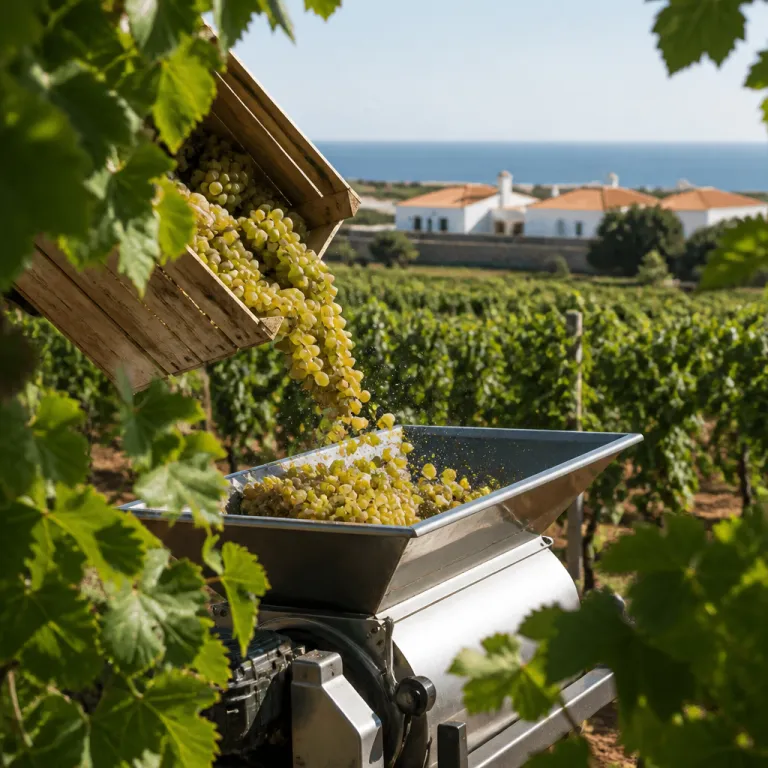
Atlantic light, early grapes and why august to september matters
The algarve wine harvest experience begins earlier than in most of Portugal, with vineyards near the Atlantic often picking the first ripe grape clusters while northern regions still wait. Warm days, cool sea breezes and limestone soils shape a harvest experience that feels very different from the steep schist of the Douro or the sun baked plains of Alentejo. For a solo traveler planning a luxury hotel stay, that early grape harvest window from late August to September turns the region into a quietly compelling reason to book a few extra hours away from the pool.
Here, the grapes ripen under maritime light, so the wines tend to show freshness rather than the dense valley grape power you might associate with the Douro Valley or a remote Alentejo valley. That coastal character defines the algarve wine harvest experience, where a morning of grape picking can be followed by a swim in water still warm from the long season Portugal enjoys. Think of it as a harvest program written by the Atlantic, with sea winds tempering the heat and making a full day in the vineyards surprisingly comfortable.
Because the harvest season arrives early in this location, luxury properties from Lagos to Tavira now build discrete wine tourism touches into their concierge suggestions. You might be offered a private transfer for a half day tour that includes a guided walk through the vines, a short session of grape stomping in traditional lagares and a relaxed wine tasting back at the winery. For the solo explorer, this kind of curated harvest experience is sociable without pressure, and it slots neatly between a late breakfast and a sunset dinner on the coast.
From quinta courtyards to coastal terraces: how to structure your harvest day
To make the most of the algarve wine harvest experience, start your day inland at a working quinta while the air is still cool. Many estates now offer a structured harvest program where guests can join the team for selective grape picking, learn how the grape harvest is timed plot by plot and then taste the resulting wines in a shaded courtyard. These programs usually run for two to three hours, which leaves ample time to return to your hotel for a late harvest lunch overlooking the ocean.
A typical full day plan might begin with a private tour arranged through your luxury hotel, including transfers that take around 30 to 45 min from most coastal resorts. Once at the winery, you move from the vineyards to the cellar, where foot treading or more modern stomping wine techniques are explained, and where grape stomping may still be offered as a playful nod to tradition during the peak of the harvest season. After a guided wine tasting that highlights how Portugal wine from the Algarve differs from bottles made in the Douro or near Évora and Lisbon, you head back to the coast just as the inland heat builds.
Afternoons belong to the Atlantic, and this is where a smart hotel choice elevates the entire harvest experience into something quietly luxurious. Properties with direct beach access or clifftop pools let you cool off after your inland tour, turning the day into a balanced mix of vineyard immersion and saltwater calm that feels very specific to this corner of season Portugal. For a deeper dive into where to taste and stay during the warmer months, the guide on wine in the Algarve and where to drink this summer remains a useful reference when you start shortlisting hotels.
Solo, sociable and low commitment: tasting rooms as your harvest lounge
Traveling alone, the algarve wine harvest experience offers a rare mix of independence and easy conversation, especially in tasting rooms that double as informal lounges. During august september, many wineries extend their opening hours and shape their harvest program around small groups, so you can join a scheduled wine tasting without feeling locked into a long day tour. Staff are used to solo guests, and the rhythm of pouring wines, explaining grape varieties and answering questions creates a natural flow of interaction.
In practice, that might mean a morning grape harvest walk followed by a seated tasting flight, a simple harvest lunch and then a return to your hotel in time for a late swim. Some estates still offer traditional foot treading sessions in shallow lagares, where grape stomping becomes a surprisingly meditative activity rather than a tourist gimmick, especially when framed as part of the wider wine harvest story in southern Portugal. If you prefer to skip the stomping wine element, you can focus on cellar tours that compare Algarve techniques with those used in the Douro Valley or near Évora, giving context to the Portugal wine landscape without leaving the region.
Back on the coast, high end hotels increasingly weave wine tourism into their programming, from curated by the glass lists to visiting sommeliers. One example is the kind of sommelier led dinner series explored in the feature on new sommelier table experiences on the Algarve coast, which shows how valley grape narratives from the Douro can meet Atlantic seafood on the same table. For a solo explorer, these evenings feel like an extension of the harvest season, where conversations about grapes and vineyards continue long after the sun has dropped behind the cliffs.
Choosing the right luxury base for an algarve harvest stay
Where you sleep shapes how the algarve wine harvest experience fits into your trip, so think carefully about location and logistics. A coastal hotel within 30 to 40 min of at least one serious winery keeps transfers short, which matters when your grape harvest morning starts early and you want to be back by mid afternoon. Look for concierges who understand wine tourism, can explain the difference between a quick tasting and a full day harvest program and know which quinta is best for hands on grape picking versus a more observational visit.
If you are pairing the Algarve with other regions, travel times also influence how much harvest season you can realistically enjoy. From Lisbon, most coastal towns in the central Algarve sit around two and a half to three hours by road, while a drive from Évora in Alentejo takes a similar min to reach the western resorts, so plan your min Lisbon or min Évora departures with the early morning harvest in mind. For travelers linking Porto and the south, the design focused hotel guide to Porto on Porto Portugal hotels for design loving travelers can help you frame a north to south itinerary that moves from Douro valley grape terraces to Atlantic facing vines without rushing.
Within the Algarve itself, choose properties that treat wine as part of the stay rather than a passing amenity, whether through thoughtful Portugal wine lists, staff who can speak about local wines or partnerships with nearby estates. During august september, some hotels quietly arrange small group transfers to partner wineries for harvest lunch events, where a seasonal menu is paired with current releases and older wines in a relaxed courtyard setting. That kind of integrated wine harvest approach turns your room key into a backstage pass to the region, aligning the comfort of a luxury stay with the tactile pleasure of grapes, soil and Atlantic air.
FAQ
When is the best time to plan an algarve wine harvest experience ?
The most reliable window for an algarve wine harvest experience runs from late August to late September, when grapes are typically picked in the coastal vineyards. Because the Algarve is one of the earliest regions in season Portugal, you often see grape harvest activity here before the Douro or Alentejo begin in earnest. To maximize your chances of joining grape picking or grape stomping, aim for a stay that straddles the first half of September and confirm dates directly with your chosen winery.
Can I join grape picking and stomping as a complete beginner ?
Yes, most estates that open their doors during the harvest season design their harvest program with visitors in mind, including those who have never handled a grape crate before. Staff explain how to cut bunches safely, how to sort grapes and, where offered, how to take part in traditional foot treading or more symbolic stomping wine sessions. You can usually choose between a light experience focused on observation and wine tasting or a more immersive full day that includes several hours in the vineyards.
How far are Algarve wineries from the main coastal resorts ?
Driving times vary by location, but many of the most accessible wineries sit between 20 and 45 min from popular resort towns such as Lagos, Portimão or Albufeira. That makes it easy to combine a morning tour and harvest lunch with an afternoon on the beach or by the pool. If you are arriving from Lisbon or Évora, expect around two and a half to three hours on the road before you reach your hotel, so plan your first harvest experience for the following day.
How does Algarve wine compare to Douro or Alentejo wines ?
Algarve wines reflect their Atlantic setting, with grapes grown on limestone and clay soils under strong sea influence, which often results in fresher profiles than many Douro or Alentejo wines. While the Douro Valley is known for steep terraces and powerful reds, and Alentejo for broad plains and generous fruit, the Algarve leans into balance and drinkability that pairs well with seafood and lighter dishes. A well structured algarve wine harvest experience usually includes side by side tastings that highlight these regional differences within Portugal wine culture.
Is a harvest focused trip suitable for a solo luxury traveler ?
For a solo explorer, the algarve wine harvest experience is particularly appealing because winery visits and tastings are naturally sociable yet low commitment. You can join small group tours for a few hours, share a harvest lunch at a communal table and then retreat to the privacy of your hotel without feeling tied to a group itinerary. High end properties in the region are increasingly attuned to this style of travel, offering flexible transfers, concierge curated tours and quiet spaces to enjoy a glass of wine after a day among the vines.