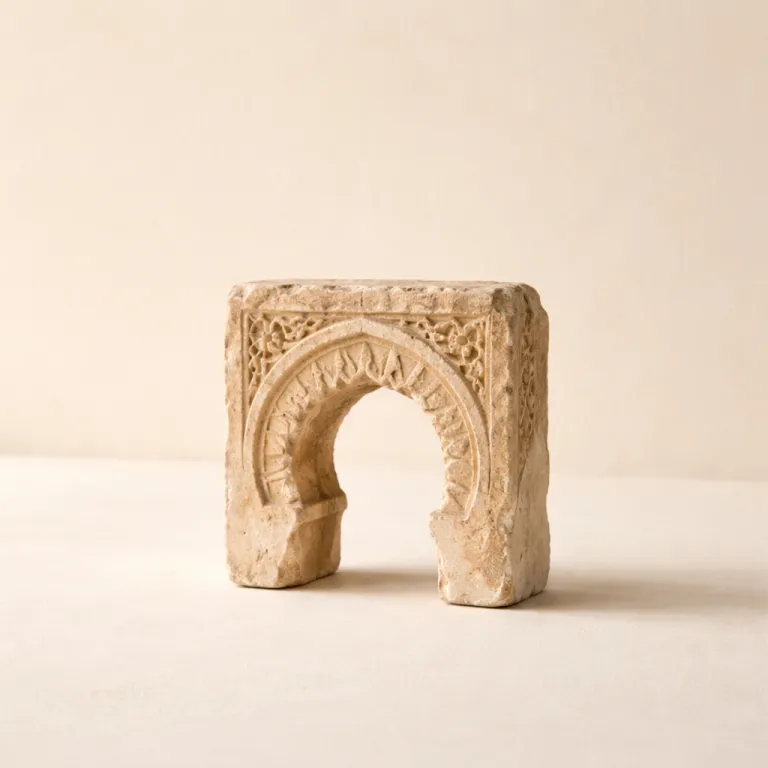
Reading the Moorish Algarve before you book your stay
Travel through the Algarve with an eye for history and the south coast of Portugal becomes a living architecture lesson. Muslim dynasties ruled much of this region for several centuries from the 8th to the 13th, and that long presence left patterns in stone, water and light that still shape where you stay and how you explore. For a solo traveler planning a refined stay in a luxury hotel, understanding this Moorish layer turns every walk through a whitewashed town into a quiet, beautiful conversation with the past.
The name Algarve itself comes from al-Gharb, “the west”, and that Arabic root still whispers through cobblestone streets from Faro to Lagos and along every praia that curves under ochre cliffs. When you include the Algarve as part of a wider Portugal itinerary across Europe, you start to see how different the far south feels from the north, with its açoteia rooftop terraces, geometric chimneys and irrigation systems that still feed inland orchards. This is not only a region of beautiful beaches and the next great beach club, but a place where some of the best hotels sit within sight of medieval walls, old noras water wheels and the faint grid of Islamic town planning.
For guests using a curated travel guide such as stayinalgarve.net, the mission is simple yet demanding. The focus is on highlighting the best places to stay near these layers of history, from a clifftop resort above a family friendly beach to a quiet palace hotel within an old city, so that every praia and every town walk feels connected. When you visit the Algarve with this mindset, even choosing a rental car, timing your visit for the right time of year or selecting a boat tour becomes part of a thoughtful, slow-travel approach rather than a rushed checklist.
Silves Castle and the red city on the Arade
Silves is the essential starting point if you want to experience the Algarve through its Moorish memory rather than only its beaches. Once a regional capital under Islamic rule, this hilltop town on the Arade River still carries a quiet authority that makes it a great place to stay for a night between the south coast resorts and the inland orchards. The Silves municipality actively preserves the castle and surrounding heritage, turning the city into a living classroom for anyone who wants more from southern Portugal than a quick swim and a sunset drink.
Silves Castle dominates the town, its red sandstone walls enclosing ramparts, cisterns and excavated foundations that explain why it is considered one of the best preserved Moorish fortresses in the country. Inside, you can walk the full circuit of the walls, read the Islamic heritage interpretation panels and look down into the massive water cisterns that once secured the city during sieges, while the cobblestone streets below still follow the medieval pattern. Cultural exploration here is supported by walking tours, small museums and interactive exhibits, and local guides often recommend that visitors wear comfortable shoes, visit in spring for blossoms and allow at least two hours for the castle and nearby sights.
Silves rewards patience, especially for the solo explorer who prefers to move slowly and stay in a refined hotel rather than rush back to the beach. From the ramparts you see the patchwork of orchards that still rely on Moorish-style irrigation systems, and you understand why this was such a strategic city in the Algarve. It is no surprise that cultural tourism is rising here, with tourists arriving by train, bus or car and asking the same questions that appear in official guides: “What is Silves known for?”, “How to get to Silves?”, “Is Silves Castle open daily?”.
After a day in Silves, many travelers head back to the coast for a restorative stay, and one of the most thoughtful options is a wellness-focused retreat on the cliffs. For a detailed sense of how a serious spa property can anchor a slow Algarve itinerary, read the in-depth review of a seven-day Atlantic reset at Vila Vita Parc’s neighbour in the wellness space, linked through the dedicated article on a thalassa spa retreat on the Algarve cliffs at stayinalgarve.net. Balancing a cultural day in the red city with a quiet evening above the ocean is one of the best ways to feel how southern Portugal holds both history and hedonism in a single, elegant arc.
From Aljezur to Lagos: Moorish echoes on the western edge
Push west from Silves by car and the mood of travel changes, trading resort density for wind, cliffs and small towns that still feel half turned toward the Atlantic. Aljezur sits on a hill above a fertile valley, and its 10th century castle is the primary witness to the Moorish era on this wilder stretch of the south coast. Climb the path through whitewashed houses and you reach ruined walls that still command a beautiful view over fields irrigated by systems first laid out under Islamic engineers.
Aljezur Castle itself is modest compared with Silves, yet it completes the story of the Algarve by showing how far the Moorish presence extended along this edge of Europe. From here, a thoughtful Portugal itinerary might loop down to the beaches of the Vicentine Coast, where the best beaches are often empty outside peak season and the Atlantic feels raw and untamed. Solo travelers who come for both culture and surf often base themselves in a small hotel near town, then use a rental car to explore a different praia each day, from family friendly coves to long wild strands where the only sound is wind in the dunes.
Turning back toward Lagos, the architecture becomes more polished but the Moorish imprint remains in the street plan and the way the city hugs its harbour. Lagos is a great place to stay if you want both beautiful beaches and easy access to cultural day trips, since trains and buses connect back to Silves and Faro–Tavira while boat tours leave the marina for the famous cliffs. The coastline here is a highlight of any Algarve experience, with Praia do Camilo, Ponta da Piedade and the Benagil Cave forming a trio of dramatic rock formations that every travel guide now features, yet the real pleasure lies in walking the paths above them at quiet times.
For help choosing a refined base near these cliffs, use the detailed praia-by-praia guide to five-star stays on stayinalgarve.net, which compares each resort option with a clear eye on access to the coast and character of the surrounding town. That curated approach is crucial, because a hotel above Praia do Camilo offers a very different rhythm from one near the marina or closer to the Carvoeiro boardwalk. When you align your stay with the specific beaches and boat tour routes you care about, your days fall into a natural, satisfying pattern.
Olhão, Tavira and the living Moorish cityscape
On the eastern side of the Algarve, the story shifts from castles to rooftops, chimneys and markets, and this is where the Solo Explorer finds some of the best quiet days. Olhão, just east of Faro city, is a working fishing town whose old quarter is a maze of white cubes and narrow lanes that feel closer to North Africa than to northern Portugal. Walking these cobblestone streets in the early morning, when fishermen return and cafés open, brings the smell of coffee, grilled fish and sea salt, and is one of the great pleasures of visiting this part of the country beyond the beach.
The Moorish influence in Olhão appears in the flat rooflines and the way houses stack and interlock, creating a skyline of terraces that catch the Atlantic light. Many travelers who visit the Algarve for the first time stay in Faro and only pass through Olhão for a boat tour to the islands, missing the chance to explore its architectural rhythm at a slower pace. Choosing a night or two here, in a small design-forward hotel near the market, allows you to experience a different side of the south coast, where the best beaches are reached by ferry and the city itself becomes the main attraction.
Further east, Tavira offers perhaps the most elegant expression of Moorish legacy in the Algarve, with its açoteia rooftop terraces, Roman bridge and a skyline punctuated by church towers and geometric chimneys. From above, the town looks like a white quilt stitched with terraces, each one a quiet stage for laundry, herbs and evening conversations, and this pattern comes directly from Islamic domestic architecture. A good travel guide will encourage you to climb to the castle gardens, then wander down through the old town, paying attention to doorways, tiles and the way light falls across the river at different times of day.
Staying in Tavira also makes sense for travelers building a broader Portugal itinerary that includes Faro–Tavira as a cultural pair, since trains link the two cities and car rentals are easy to arrange. From here, you can reach the beautiful beaches of Ilha de Tavira by boat, then return to a hotel terrace that looks back over the town’s layered rooftops. For those who want a more resort-like base but still value cultural access, a palace-style property inland, such as the Conrad Algarve reviewed in detail on stayinalgarve.net, offers a refined stay with easy day trip options to both Tavira and the western hotspots.
Water, orchards and a two day Moorish memory itinerary
The least photographed yet most revealing part of the Algarve lies inland, where orange and almond orchards still depend on irrigation systems first refined under Moorish rule. Look for azenhas, the small water channels, and noras, the traditional water wheels, in the countryside around Silves and along the Arade valley, where farmers still guide water through stone-lined channels to their groves. These working landscapes explain why Islamic rulers invested so heavily here, turning a dry south coast into a productive garden that fed cities and ports.
For a Solo Explorer with two or three days, a slow itinerary that links castles, towns and orchards offers one of the best ways to explore the region with depth. Start in Silves, arriving by train or car, and spend your first day walking the castle walls, visiting the small archaeological museum and tracing the old town’s cobblestone streets down to the river. In the late afternoon, drive or take a transfer to a coastal hotel near Lagos or Carvoeiro, timing your arrival for golden hour over the cliffs and a quiet walk along the Carvoeiro boardwalk or the headlands above Ponta da Piedade.
On the second day, focus on the coast but keep the Moorish story in mind as you explore. Take a morning boat tour from Lagos to see Praia do Camilo, the Benagil Cave and the surrounding beautiful beaches from the water, then spend the afternoon on foot, following a suggested route along the cliffs and down to a sheltered beach. In the evening, return inland for dinner in Silves or another historic town, noticing how the city lights trace the same patterns you saw from the castle walls, and how the rhythm of time here feels slower than in many parts of Europe.
If you have a third day in your Portugal itinerary, head east toward Faro–Tavira, stopping in Olhão to wander the old quarter and then continuing to Tavira for rooftop views and riverfront cafés. This final leg of your journey completes the arc from fortress to fishing town to terrace city, showing how the Moorish legacy still shapes where people live, work and stay. By the time you leave, the best beaches will still matter, but it is the memory of red stone, white terraces and the quiet sound of water in an orchard that will pull you back.
FAQ
What is Silves best known for among Algarve travelers ?
Silves is best known for its remarkably well preserved Moorish castle, which dominates the town and offers panoramic views over the Arade valley. Many Algarve itineraries treat it as a quick photo stop, but staying overnight lets you experience the city’s quieter streets and riverside cafés. The combination of red sandstone walls, cobblestone streets and nearby orchards makes it a great place for culture-focused visitors.
How do I get to Silves without driving a car ?
Silves is accessible by regional train and bus from major hubs such as Faro and Lagos, which makes it easy to include in a Portugal itinerary without renting a vehicle. Trains stop below the town, with taxis and occasional buses connecting to the historic center and castle area in around ten minutes. Many guided excursions also include Silves as part of a day trip that combines inland heritage with coastal viewpoints.
Is Silves Castle open every day of the year ?
Silves Castle is generally open daily, but visitors should always check current opening hours before planning their time, especially outside peak season. Hours can vary with holidays and maintenance periods, and local tourism offices or official municipal websites provide the most up to date information. Arriving early in the day helps you avoid crowds and enjoy the site in softer light.
Where can I see traditional Moorish irrigation systems in the Algarve ?
The most accessible places to see traditional irrigation systems such as azenhas and noras are in the inland orchards around Silves and along the Arade valley. Walking or cycling routes near these agricultural areas often pass stone-lined channels and old water wheels that are still in use. Joining a local walking tour can provide context on how these systems shaped the region’s agriculture and supported its historic towns.
Which Algarve towns combine Moorish heritage with access to beautiful beaches ?
Lagos, Tavira and the area around Faro–Tavira offer a strong mix of Moorish-influenced architecture and easy access to beautiful beaches. Lagos pairs historic streets with dramatic coastal formations like Ponta da Piedade and Praia do Camilo, while Tavira blends açoteia rooftops with ferry links to island beaches. Staying in or near these towns allows you to balance cultural exploration with time on the sand in a single, well paced stay.