Travel Algarve through Olhão’s market: reading the slabs at sunrise
Travel Algarve properly and you start at dawn in Olhão, not at a hotel breakfast buffet. The red brick market on Avenida 5 de Outubro, facing the calm Ria Formosa, is where the eastern Algarve quietly decides what will be on your plate that night in this part of Portugal. Arrive by car from Faro city before 8 am and you will see why this working harbour town is the most revealing place to stay if you care about what you eat.
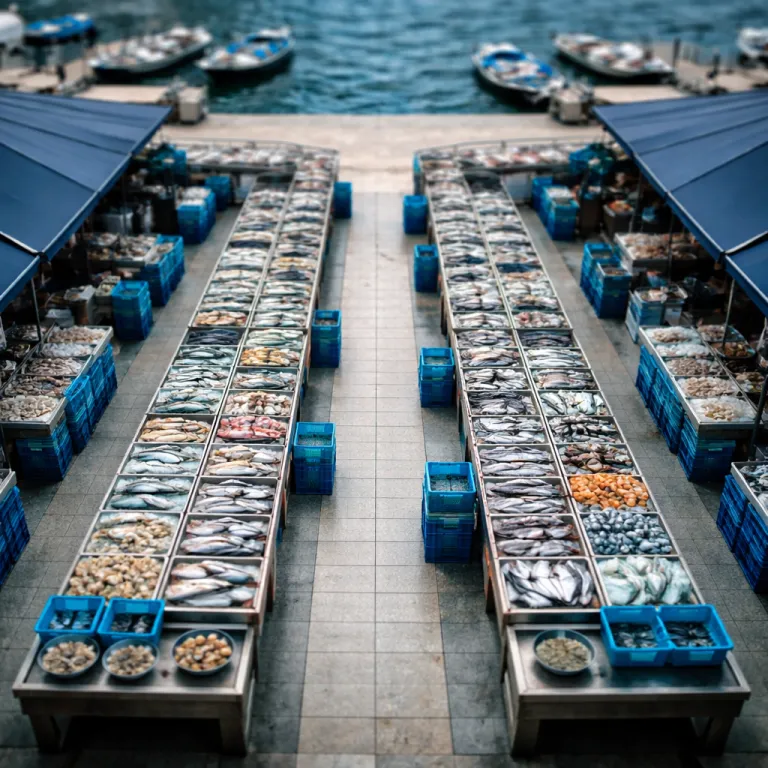
The Olhão fish market opens around 7 am and peaks mid morning, when local fishermen wheel in crates of sardines, dourada, mackerel, grouper, octopus, clams and shrimp that define serious travel in Algarve Portugal. Stalls run in long lines, each vendor arranging the catch on ice with a precision that rivals any luxury hotel buffet along the south coast, yet the atmosphere stays grounded and local. This is not a curated show for tourists; it is the daily engine of Portugal Algarve gastronomy, and a live travel guide to which restaurants are worth your time.
Think of the market as your private travel guide to the eastern Algarve, more reliable than any glossy brochure about beautiful beaches or a generic Portugal itinerary. When the sardines are small or scarce on the slabs, you know that grilled sardines on a resort terrace in Vilamoura will be frozen, no matter how beautiful the beach view. When octopus and clams dominate the ice, you plan your day around cataplana and arroz de marisco in the towns between Faro and Tavira, rather than chasing sunset cocktails near Lagos on the distant coast.
How to read the catch: from morning mercado to dinner reservation
Walk the aisles slowly and let the Olhão fish market vendors talk; they are your most precise travel guide in this part of Algarve Portugal. Officially, the market runs from early morning to early afternoon (check current hours locally, as they can shift slightly by season), but the serious reading happens between 7 am and 10 am, when the best fish has arrived from the boats moored just behind the building. One sign of a great place to eat later is a chef in whites quietly inspecting the slabs, choosing specific fish by name and size rather than pointing vaguely at whatever looks beautiful.
Use the catch to shape your travel Algarve decisions for the day, especially if you are staying in a luxury hotel along the south coast and planning where to dine. If sardines are abundant and gleaming, with clear eyes and firm bodies, book a table at a simple grill in a nearby praia town instead of a polished dining room that lists sardines all year regardless of season. When you see large dourada, meaty grouper and live clams, think cataplana in Tavira or a refined seafood tasting menu in Faro Tavira territory, perhaps paired with a visit to a fine dining room such as the one explored in this detailed look at Faro’s first Michelin star and the reinvention of Algarvian fine dining.
The market also helps you judge which hotel restaurants in Portugal Algarve are genuinely local and which are coasting on views of beautiful beaches. If a property claims to serve the best grilled fish on the coast but its team is never seen at Olhão in the morning, you can safely assume a supply chain closer to Vilamoura’s beach clubs than to the cobblestone streets of a fishing town. Serious luxury in travel Algarve terms means a chef who knows these slabs, understands the time of year for each species and builds menus that change as quickly as the ice on the market floor.
Where the market really lands on your plate: three eastern Algarve tables
Once you have walked the market, the next step in travel Algarve is to follow the fish to the right dining rooms along the eastern coast. Start in Tavira, a town that still feels more riverfront than resort, where Mesa Farta on Rua José Pires Padinha has earned attention from Portuguese food writers for treating the daily catch with respect rather than theatrics. When the Olhão stalls are heavy with clams and shrimp, you can expect their arroz de marisco to echo exactly what you saw on the ice that morning, not a frozen approximation flown in from another part of Portugal.
Further along the south coast near Cacela Velha and Pedras d’El Rei, a string of seafood houses and praia grills translate the market into plates that justify a dedicated Portugal itinerary focused on this quieter stretch of Algarve Portugal. In Cacela Velha, for example, Casa da Igreja and nearby village grills are often praised in local guides for simple fish cooked over charcoal. Here, grilled mackerel, dourada and octopus come simply dressed, often eaten within sight of the boats that supplied Olhão at dawn, and the difference from resort restaurants near Lagos or the louder city beaches is immediate. This is where travel Algarve becomes about timing your day around tides, not pool slots, and where a car Algarve rental lets you slip between cobblestone streets and remote beaches with ease.
To understand the contrast, think about the supply chain that feeds Vilamoura’s beach clubs, where volume and consistency often trump nuance, then compare it with the short, direct route from Olhão’s slabs to these eastern dining rooms. The market’s role in the region’s fishing economy means that “Increased interest in local food markets.” and “Rise in culinary tourism.” are not abstract trends but realities you taste in every grilled sardine. For a broader sense of how this coast is evolving for international guests, including Brazilian travelers reshaping demand, it is worth reading this analysis of why the Algarve has become Brazil’s preferred European coast before you choose where to stay.
From cataplana to praia grills: what to order, and where
Eastern Algarve rewards travelers who match dishes to places rather than chasing the same menu from town to town. Use Olhão’s market as your compass and you will know when to prioritise cataplana, when to insist on grilled sardines and when to seek out arroz de marisco along the coast between Faro and Tavira. On days when octopus, clams and shrimp dominate the ice, a copper cataplana pot in Tavira or Cacela Velha will give you the best expression of Algarve Portugal cooking.
When the slabs are lined with sardines from May onward, grilled sardines on a fisherman’s beach beat any plated version in a city hotel dining room, no matter how beautiful the view of nearby beaches. Look for no name grills near Praia do Barril and other low key praia stretches, where the fish moves from boat to grill in hours, not days, and where the only luxury is freshness and the Atlantic light. This is the moment when travel Algarve feels most honest, especially if you have left your car in a sandy car park and walked the last few metres barefoot.
Arroz de marisco, with its mix of shellfish and rice, is best ordered when you have seen live clams and vigorous shrimp at Olhão that same morning, not when the market is thin and the ice looks tired. In those times, shift your Portugal itinerary towards meat or vegetable led menus in Faro city, where chefs are increasingly confident in non seafood dishes as well. Serious travelers who visit Algarve for gastronomy learn to adapt their day, their choice of town and even their preferred praia to what the slabs in Olhão quietly recommend.
Choosing where to stay: luxury hotels that listen to the market
For travelers using a luxury hotel booking website to plan a stay on the eastern Algarve, the smartest filter is not just spa size or pool count but proximity and attitude to Olhão’s market. A property that sends its team to the slabs at dawn will usually serve better fish than one that relies on centralised suppliers feeding the resort strip along the south coast. When you plan your travel Algarve route, consider spending at least one night in or near Olhão town itself, then another in Tavira, to balance market immersion with beach access.
High end hotels across Portugal Algarve increasingly understand that guests want a direct line from local fishermen to their plates, not just a generic “seafood night” buffet. Some, like the refined palace style property reviewed in this in depth look at a leading Algarve hotel with serious gastronomy credentials, show how a luxury stay can still feel rooted in regional produce even when located away from Olhão. Use your car Algarve rental to bridge that gap, driving in for the morning market, then returning to a calm pool and a dining room that respects what the slabs suggested.
When comparing options on a premium booking platform, look for menus that change with the time of year, references to specific species rather than generic “fresh fish” and a willingness to recommend nearby fisherman’s beach grills for certain dishes. True confidence in travel Algarve hospitality means knowing when the best grilled sardines are not on your own terrace but at a simple praia bar reached by a short drive along the coast. That is the difference between a hotel that merely faces beautiful beaches and one that understands how Olhão’s market quietly shapes every serious plate of seafood in this part of Portugal.
FAQ
What time should I visit Olhão’s fish market for the best experience?
The most rewarding time to visit Olhão’s fish market is between early morning and mid morning, when the bulk of the catch has arrived from the harbour just behind the building. Officially, the market operates from early morning to early afternoon, but serious buyers and local chefs tend to come before 10 am. Arriving early also gives you time to plan your day’s travel Algarve route and dinner reservations based on what you see on the ice.
Is there parking near the market, and do I need a car?
Public parking is available close to the market along Avenida 5 de Outubro, which makes it easy to visit if you are using a car Algarve rental for a wider Portugal itinerary. Having a car helps you link Olhão with nearby towns such as Faro, Tavira and the praia areas around Cacela Velha and Pedras d’El Rei. That flexibility lets you turn what you see at the market into lunch on a fisherman’s beach or dinner in a refined dining room along the coast.
How does the market influence where I should eat on the eastern Algarve?
Olhão’s market is the main hub for fresh fish and seafood on this part of the south coast, so it effectively dictates what responsible restaurants can serve each day. By seeing which species are abundant and in good condition, you can choose restaurants in Faro, Tavira and nearby praia towns that clearly follow the market rather than relying on frozen imports. It is a practical travel guide in real time, more accurate than any printed list of the best places to eat.
Are there good restaurants within walking distance of the market?
Several seafood focused restaurants and simple grills sit within a short walk of the market, many of them drawing directly from the stalls you see in the morning. These are ideal for a relaxed lunch after your visit, especially if you want to taste sardines, dourada or octopus that were on the slabs only hours earlier. For dinner, many travelers pair a market visit with a short drive to Tavira or Cacela Velha, where the menus also track the daily catch.
Can I visit the market even if I am staying in a resort further west?
Yes, and it is worth the effort, even if your hotel is closer to Lagos or the larger resort areas along the coast. A day trip by car from those towns to Olhão gives you a very different view of Algarve Portugal, centred on working fishermen rather than beach clubs. Many luxury travelers now treat a market morning in Olhão as an essential part of their travel Algarve experience, regardless of where they sleep.