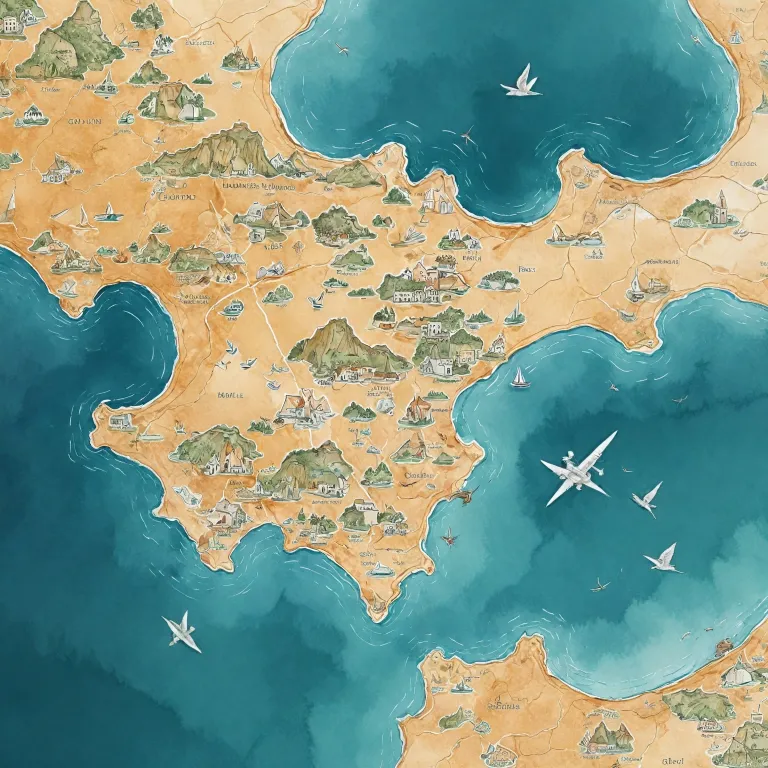
Reading the map of the Algarve region Portugal for refined coastal stays
The map of the Algarve region Portugal is the starting point for any refined itinerary, especially when you are selecting luxury or premium hotels. This southernmost region of Portugal stretches over about 4 997 km², and the map reveals how the coastal strip contrasts with quieter inland hills and traditional farmland. When you study the map of the Algarve region Portugal, you immediately see how each town shapes a different style of stay.
For high end travellers, the map highlights the elegant curve of the southern coastal Algarve, where golden beaches and dramatic cliffs sit close to five star resorts. The Algarve region is divided into western Algarve, central hubs around the city Faro, and the more tranquil eastern Algarve near the Spanish border. Using a detailed map, you can balance days between a lively beach and a secluded wine estate in the hinterland.
Faro, the capital of the Algarve Portugal, appears on every tourism map as both a cultural centre and a practical gateway. Faro airport sits just outside the city Faro, and its position on the map helps you calculate transfer times to each coastal town or inland retreat. For guests who value efficiency, the proximity between Faro airport and many beaches Algarve resorts means more time in a spa and less time in transit.
When you plan where to visit, the map of the Algarve region Portugal also clarifies the relationship between the main tourist corridors and quieter rural pockets. You can see how the coastal road links praia after praia, while smaller inland roads lead to whitewashed villages and vineyards in the wine region. This contrast is essential for travellers who want both a sophisticated beach scene and authentic Portuguese countryside within one stay.
Aligning luxury hotel choices with Algarve sub regions and key towns
Understanding how the Algarve region is structured on the map helps you match each sub region with your preferred hotel style. The western Algarve, stretching from Lagos towards Sagres, is famous for rugged coastal cliffs, surfing beaches and dramatic viewpoints, which attract guests who want stylish resorts with strong outdoor and wellness programmes. In contrast, the eastern Algarve around Tavira and the Spanish border offers softer landscapes, salt pans and calmer beaches, ideal for discreet luxury hotels focused on slow tourism.
On any detailed map of the Algarve region Portugal, the central area around the city Faro and Vilamoura shows a dense cluster of premium resorts, golf courses and marinas. This central region is often considered the Algarve best choice for travellers who want quick access from Faro airport, sophisticated dining and a wide range of curated experiences. When you compare these zones on a map, you can decide whether your ideal town is animated and glamorous or more intimate and traditional.
Historic Silves, once a Moorish capital, appears inland on the map as a counterpoint to the coastal Algarve Portugal. Staying in or near Silves places you within easy driving time of both vineyards in the wine region and the beaches Algarve, which is attractive for guests who enjoy culture, wine and sea in equal measure. Tavira, on the eastern Algarve coast, is another town where the map highlights a blend of riverfront charm, access to the Ria Formosa lagoon and proximity to quieter beach islands.
For travellers comparing luxury and premium hotel booking platforms, it is helpful to read expert overviews of the Algarve tourism landscape. Industry analyses of the luxury and premium hotel booking website in Algarve sector, such as those presented in dedicated industry leaders and expert insights for discerning travelers, explain how different operators curate stays across the region. By combining that strategic perspective with a precise map, you can align your hotel choice with the exact stretch of coast, town ambience and level of seclusion you prefer.
Coastal highlights, iconic praias and the role of Ria Formosa
The coastline that defines the Algarve Portugal is not uniform, and the map of the Algarve region Portugal makes this diversity clear. West of the city Faro, the shore is carved into coves and headlands, where some of the best beaches sit beneath ochre cliffs and are reached by staircases from clifftop hotels. East of Faro, the coast flattens into barrier islands and lagoons, where the Ria Formosa natural park protects wetlands and creates a softer, more tranquil beach experience.
Names like praia da Rocha, praia da Marinha and other famous praias appear repeatedly on tourism maps, guiding travellers towards the best beaches for their style of stay. Praia da Rocha, near Portimão, is a long, lively beach backed by promenades and high rise hotels, which suits guests who enjoy nightlife and a dynamic atmosphere. In contrast, the beaches of the eastern Algarve, often reached by boat across the Ria Formosa, appeal to visitors seeking quieter sands and a closer connection to nature.
For luxury travellers, the map highlights not only where each praia lies, but also how close it is to fine dining, golf courses and marinas. Many premium hotels position themselves within a short drive of several beaches Algarve, allowing guests to alternate between a dramatic cliff lined beach and a sheltered lagoon. When you read the coastal map carefully, you can select a hotel that offers both immediate beach access and easy excursions to other renowned stretches of sand.
The Ria Formosa itself is marked on maps as a continuous lagoon system running from near Faro to beyond Tavira, and it is officially recognised as a natural park. This formosa natural reserve is central to Algarve tourism, supporting birdwatching, boat tours and sustainable seafood harvesting, which many high end hotels now integrate into their guest experiences. Choosing a property that faces the lagoon rather than the open ocean can transform your perception of the Algarve region from a simple beach destination into a sophisticated coastal ecosystem.
Inland charms, Silves heritage and the emerging Algarve wine scene
While the coastal strip dominates most tourism brochures, the map of the Algarve region Portugal reveals a second layer of interest inland. Towns like Silves and Monchique sit away from the beaches Algarve, surrounded by orange groves, cork forests and rolling hills that feel far removed from the busy coastal resorts. For guests who appreciate heritage and landscape, booking a luxury hotel within easy reach of these inland areas offers a richer sense of the Algarve region.
Silves stands out on the map as a historic town on the Arade River, crowned by a red sandstone castle that recalls the period of Muslim rule. Staying near Silves allows you to explore cobbled streets and museums by morning, then drive to a praia or beach club by afternoon, making excellent use of the region’s compact geography. The town also lies close to several vineyards, which are helping to define the Algarve wine identity within Portugal’s broader wine region.
Algarve wine producers are increasingly present on tourism maps, as estates open tasting rooms and partner with luxury hotels for curated experiences. Travellers can now plan routes that combine a day at one of the best beaches with an evening tasting Algarve wine in a hillside cellar, all within short driving time. For many guests, this combination of coastal relaxation and inland gastronomy is what makes the Algarve best suited to longer, more immersive stays.
As the Algarve Regional Government and local partners promote sustainable tourism, more properties are highlighting their links to agriculture, wine and traditional Portuguese culture. The University of Algarve also contributes research and training that support high quality hospitality and responsible tourism development across the region. When you read the map with these layers in mind, you can choose hotels that not only offer comfort, but also connect you to the living landscape and evolving wine region of the Portugal Algarve.
Planning the best time to visit and navigating from Faro airport
Timing is as important as geography when you interpret the map of the Algarve region Portugal for a luxury stay. Many seasoned travellers consider the best time to visit Algarve to be spring and autumn, when temperatures are mild and the light is soft, yet the sea is still pleasant for swimming. During these periods, the beaches Algarve are less crowded, service feels more personalised and premium hotels often offer attractive packages.
Summer remains the peak season for Algarve tourism, and the map highlights how traffic concentrates along the main coastal routes between the city Faro, Albufeira, Portimão and Lagos. If you plan to travel at this time, it is wise to choose a hotel with easy access to both the main highway and quieter local roads, so you can reach each praia efficiently. In winter, the region becomes a haven for golfers and long stay guests, who value the sunshine and quieter beaches over swimming temperatures.
Faro airport is the principal gateway to the Algarve Portugal, and its location near the coast is a major advantage for luxury travellers. On a regional map, you can quickly estimate transfer time from Faro airport to each town, whether you are heading west towards the dramatic cliffs of the western Algarve or east towards Tavira and the Ria Formosa. Many premium hotels arrange private transfers, which makes the journey from plane to pool or beach seamless.
When planning your itinerary, consider how many bases you want within the Algarve region and how you will move between them. Some guests choose a single central hotel near the city Faro and use it as a hub to visit different praias and inland towns, while others prefer a multi stop journey combining a coastal resort with an inland wine retreat. In every case, a careful reading of the map of the Algarve region Portugal, combined with realistic driving times, ensures that your stay feels relaxed rather than rushed.
Curating luxury experiences across the Algarve for discerning hotel guests
For travellers using a luxury and premium hotel booking website in Algarve, the map of the Algarve region Portugal becomes a tool for curating experiences rather than simply locating properties. Each section of the coast, from the western Algarve cliffs to the softer eastern Algarve lagoons, supports a different style of stay, and the best platforms help you filter hotels accordingly. By overlaying hotel locations on a detailed tourism map, you can see at a glance which properties sit closest to your preferred beaches, golf courses or cultural sites.
High end guests often look for more than a comfortable room, and the Algarve region responds with a wide range of curated activities. Some hotels focus on gastronomy, partnering with local chefs and wine estates to showcase Algarve wine and Portuguese cuisine in depth, while others emphasise wellness, sailing or nature based excursions in the Ria Formosa natural park. Editorial features such as exclusive chef interviews and culinary excellence in Algarve’s luxury and premium hotels provide valuable context when you are comparing options.
As the Algarve Tourism Board promotes sustainable tourism, many premium properties are integrating eco conscious practices and authentic local experiences into their offerings. This aligns with broader regional goals to enhance economic growth through tourism while preserving cultural heritage and the coastal environment that makes the Algarve best known worldwide. When you choose hotels that support these principles, your stay contributes to the long term health of the Portugal Algarve as a leading wine region and coastal destination.
“Visit during spring or autumn for milder weather and fewer crowds.” and “Explore both the coastal areas and the interior uplands for a complete experience.” and “Try local specialties like seafood dishes and regional wines.” These recommendations, combined with a thoughtful reading of the map highlights, help you design an itinerary that feels both indulgent and meaningful. Ultimately, the map of the Algarve region Portugal is not just a diagram of towns and praias, but a framework for creating a layered journey through beaches, wine, culture and refined hospitality.
Key statistics about the Algarve region for informed travel planning
- The Algarve covers approximately 4 997 km², offering a compact yet varied region for coastal and inland stays.
- The population of the Algarve is around 467 495 inhabitants, spread across 16 municipalities that each bring distinct local character.
- The region enjoys about 3 000 hours of sunshine annually, supporting a long tourism season and making the best time to visit highly flexible.
Essential questions about the Algarve region and luxury travel
What is the capital of the Algarve and why does it matter for travellers ?
The capital of the Algarve is Faro, and it plays a central role in planning any high end stay. The city Faro hosts Faro airport, the main international gateway, and sits near the Ria Formosa, which gives easy access to both coastal and lagoon based experiences. Because many luxury hotels cluster within a short drive of Faro, understanding its position on the map of the Algarve region Portugal helps you minimise transfer time and maximise time at the beach or spa.
What are the main economic activities in the Algarve and how do they shape tourism ?
The main economic activities in the Algarve include tourism, agriculture and fishing, and each of these sectors influences the character of luxury stays. Tourism drives the development of premium hotels, golf courses and marinas along the coastal Algarve, while agriculture and fishing sustain the fresh produce and seafood that define Portuguese gastronomy. When you choose hotels that highlight local food, Algarve wine and authentic cultural experiences, you engage directly with the region’s economic fabric and support its long term sustainability.
What is the highest point in the Algarve and is it relevant for visitors ?
The highest point in the Algarve is Fóia, at 902 metres, located in the Serra de Monchique in the western Algarve. While most luxury travellers focus on beaches Algarve and coastal towns, a day trip to Fóia offers sweeping views across the region and a refreshing contrast to the seaside climate. Including this upland area in your itinerary, clearly marked on regional maps, adds another dimension to your understanding of the Algarve region and its varied landscapes.