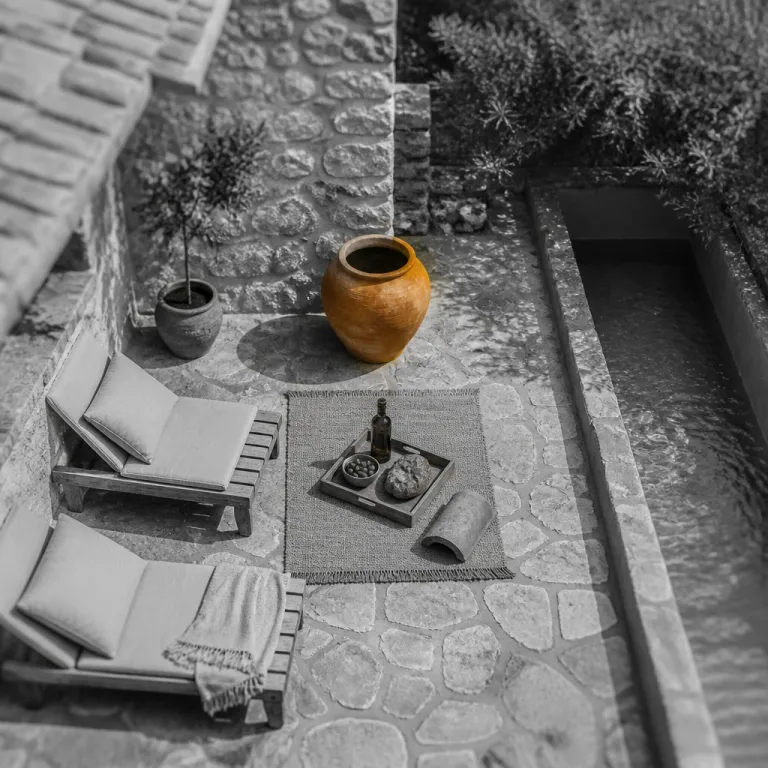
Why luxury travellers in the Algarve are drawn to the Portugal countryside
The Algarve may be famous for its coastline, yet the rural landscapes behind it define the region’s quiet luxury. Many high end guests now split their stay between a coastal suite and a country house in the hills, using the Algarve as a refined gateway to wider inland Portugal. This shift reflects a broader rise in rural tourism, as travellers seek space, authenticity, and meaningful contact with local communities.
Rural residents, farmers, and artisans in each inland village are central to this experience, because their daily routines shape the character of every stay. The national percentage of land used for agriculture in Portugal is 39.6 %, while 27.3 % of the population still lives in rural areas, according to World Bank data (World Bank, World Development Indicators), so the countryside is not a theme park but a living environment. When you book premium rooms through an Algarve focused platform, you are choosing between restored farmhouses, vineyard estates, and discreet design led homes that sit within this working landscape rather than apart from it.
Many luxury properties now integrate modern comfort with traditional farming techniques, artisan tools, and sustainable practices that protect the surrounding natural park areas. You might wake to an aerial view of orange groves and a distant river, then join a farmer for a slow walk through vineyards that later appear in the property’s own gallery. One guest at a converted monte near Monchique described breakfast as “fresh bread, figs from the garden, and the sound of tractors in the valley instead of traffic,” capturing how the best stays keep the focus on human connection rather than generic stock imagery or over edited royalty free visuals.
How an Algarve base unlocks wider rural Portugal
From Faro or Portimão you can reach the Alentejo plains, the Douro Valley terraces, or even São Miguel in the Azores with efficient connections. Faro to Lisbon takes around 3 hours by train on Intercidades services, and from Lisbon you can fly to Ponta Delgada on São Miguel in about 2.5 hours, making it realistic to add an island extension. Many guests book an Algarve resort first, then add curated overnight trips into the interior to experience a different pace of life. This combination lets you enjoy Michelin level dining on the coast while exploring country house stays in central valleys or Alentejo without sacrificing comfort.
Alentejo lies just north of the Algarve and offers some of the best examples of rural hospitality, with whitewashed village houses and low slung estates surrounded by cork oak and vineyards. Douro Valley, further north, delivers a contrasting aerial view of steep slopes dropping to the Douro River, where wine estates offer rooms with a panoramic view of the river and its stone walled terraces. São Miguel, in the mid Atlantic, adds volcanic lakes and a different style of rural house, yet it still reflects the same national park ethos and respect for the land that you will feel in every countryside region of Portugal.
When planning, look for booking platforms that provide clear view details for each property, including accurate photos, aerial images, and transparent pricing in EUR. A serious luxury site will avoid over edited promotional shots or misleading royalty free images that resemble stock pictures rather than the real houses and rooms you will occupy. Instead, you should see honest visuals of the surrounding fields and villages, from the curve of a river at sunrise to the way a country house sits within its hamlet, so you can judge whether the setting matches your expectations.
Seasonal luxury: when to book rural stays from the Algarve
Choosing the right season for a countryside escape from the Algarve can transform a good trip into an exceptional one. Spring and autumn usually offer the best balance of comfortable temperatures, softer light for photos, and calmer roads through rural areas. Summer brings long days and lively village festivals, while winter appeals to guests seeking fireplaces, wine tastings, and quieter luxury at a favourable EUR rate.
In spring, Alentejo fields turn green and wildflowers frame every aerial view, making it an ideal time to photograph vineyards and olive groves. Many country properties in Alentejo and central valleys offer seasonal tasting menus, pairing local wine with produce grown metres from your rooms, which suits travellers who value gastronomy as much as scenery. Autumn in Douro Valley coincides with the grape harvest, usually from early September to early October, when the slopes above the Douro River glow in red and gold, and premium houses open their cellars for intimate tastings.
Winter stays are increasingly popular among guests who base themselves in the Algarve for mild coastal weather, then drive inland for day trips into quieter villages. If you plan a festive stay, consider combining a coastal suite with a few nights in a rural house, using a specialist guide on how to enjoy Christmas in Portugal with a luxury Algarve stay from a trusted Algarve booking site. This approach lets you enjoy refined seaside dining, then retreat to a quiet village house where a wood stove, a glass of wine, and a beautiful view of the countryside replace the usual urban lights.
Reading seasonal signals in booking photos and descriptions
Careful reading of property descriptions and photo galleries can reveal the real seasonal character of a rural stay. Look for collections that show both summer and winter scenes, rather than only sun drenched images that resemble generic stock pictures. When a listing includes aerial images and a wide view of the surrounding countryside, you can judge how exposed the house might feel in different seasons and whether the view will remain beautiful even when vines are bare.
Some of the best luxury platforms now label vineyard photos by month, helping you understand when the Douro terraces or Alentejo plains look their most photogenic. Transparent sites also avoid over reliance on staged pictures or royalty free images that hide seasonal imperfections, instead favouring real photos taken by guests and staff. When you see a mix of professional photography and more candid free photos, you gain a more trustworthy view of rural Portugal and can choose the timing that suits your travel style.
Hidden rural gems within easy reach of Algarve luxury bases
Beyond the main highways, a network of small roads leads from Algarve resorts into some of the most beautiful corners of the Portuguese interior. One such area lies around the Serra de Monchique, where forested hills, thermal springs, and tiny village clusters create a cooler microclimate. Here, rural house conversions offer just a handful of rooms, each with a view over stone terraces and orchards that feel a world away from the coast.
Another rewarding direction is north toward the Alentejo countryside, where low density landscapes and whitewashed houses define the horizon. In these villages, rural residents, farmers, and artisans maintain traditions through community based living, handcrafted goods, and traditional farming techniques that visitors can observe respectfully. When you stay in a carefully restored house here, you participate in a wider effort to sustain local economies, protect cultural traditions, and promote eco friendly practices that benefit the whole country.
To the east, the Guadiana River marks the border with Spain and offers a different style of rural escape, with river views, walking trails, and small riverfront villages. Luxury travellers often pair a stay here with a cultural excursion that explores Moorish architectural memory inland, guided by thoughtful resources such as a feature on a slower way into the Algarve’s Moorish architectural heritage from a specialist Algarve site. These itineraries show how a premium Algarve base can anchor deeper journeys into the countryside without sacrificing comfort or service.
Reading between the lines of “hidden gem” listings
Many booking platforms now label properties as hidden gems, yet the term only has value when supported by clear evidence. Look for listings that show an aerial view of the property within its village or valley setting, rather than only close up interior photos. When you can see how far the houses sit from neighbours, roads, and the nearest river, you gain a realistic sense of privacy and tranquillity.
High quality sites also provide detailed captions for photos, explaining whether a view faces a natural park, farmland, or a bend in the Douro. If you notice only generic royalty free images or pictures that could belong to any country, treat the listing with caution. A genuine hidden gem in the Portuguese countryside will usually feature specific references to local wine estates, national park trails, or nearby artisans, supported by real photos and clear view details that match the written description.
Wine, rivers, and natural parks: curating themed rural escapes
One of the pleasures of using a specialist Algarve booking website is the ability to curate themed escapes into the wider countryside. Wine focused itineraries often combine a coastal base with stays in Alentejo and Douro Valley, where vineyard houses offer immersive tastings and cellar tours. River themed journeys follow the Douro or smaller waterways, pairing rooms with a river view and guided boat trips that reveal the country’s agricultural history.
In Douro Valley, many luxury properties occupy historic wine estates perched above the river, with terraces that provide a sweeping aerial view of vineyards below. Guests can walk between rows of vines, learn about traditional and modern production methods, and then return to houses that blend heritage architecture with contemporary comfort. Alentejo offers a different rhythm, with broad plains, cork forests, and rural stays where the focus is on slow meals, stargazing, and quiet mornings in the countryside.
Natural park and national park stays appeal to travellers who prioritise hiking, birdwatching, and landscape photography. From the Algarve you can reach several protected areas where rural residents and farmers work alongside conservation bodies to maintain sustainable land use. When booking, seek properties that clearly state their proximity to a natural park, provide maps, and show photos of trails, viewpoints, and aerial images of the surrounding rural terrain.
Choosing the right property for each theme
For wine centred trips, prioritise houses that sit within or directly beside working vineyards, as shown in their photos and aerial view details. Listings should include vineyard images in different seasons, cellar photos, and clear information about tastings, so you know whether the experience goes beyond a simple glass of wine at dinner. River focused stays should highlight safe access to the riverbank, boat options, and rooms with a direct view of the water, rather than only distant stock pictures of a generic river.
When your priority is hiking or photography, look for properties that provide free maps, guidance on local trails, and sometimes even complimentary images of local wildlife for guests to use. High quality platforms avoid overusing decorative pictures that obscure the real terrain, instead favouring honest photos that show paths, gradients, and the true character of the countryside. This level of detail reflects a commitment to credibility and helps you match each rural house or set of rooms to your preferred style of travel.
Reading photos, prices, and fine print on Algarve luxury booking sites
Evaluating a luxury or premium rural stay from behind a screen requires careful attention to images, pricing in EUR, and the fine print. Start with the photo gallery, checking whether the mix of interior and exterior shots gives a coherent sense of the property and its surroundings. A trustworthy listing will show the house from multiple angles, include at least one aerial view, and provide clear captions that explain what each image represents.
Be wary of galleries dominated by generic royalty free images or pictures that could have been taken in any country. While some free photos or stock pictures can supplement a listing, the majority should be real photos of the rooms, houses, and surrounding countryside. Look for vineyard scenes, river views, and village streets that match the written description, as this alignment signals a higher level of transparency and respect for guests.
On the pricing side, serious platforms present nightly rates in EUR with clear breakdowns of taxes, cleaning fees, and any extras such as private tastings or guided walks. When you click view details, you should see information about room size in square metres, bed configuration, and whether each rural house or suite includes amenities like underfloor heating or air conditioning, which matter in both summer and winter. If cancellation policies or inclusions are vague, consider this a warning sign, especially for remote countryside stays where alternatives may be limited.
Assessing location and community impact from your screen
Beyond comfort and price, many travellers now consider how their stay affects rural residents, farmers, and artisans in the surrounding village. Listings that mention partnerships with local communities, use of traditional farming techniques, or support for handcrafted goods often indicate a more responsible approach. When a property explains how it integrates modern technology with traditional methods to reduce environmental impact, you gain confidence that your visit supports sustainable development rather than undermining it.
Some platforms highlight that there has been a rise in rural tourism, an increased interest in sustainable living, and a revival of traditional crafts in the Portuguese countryside. These trends align with national goals to sustain local economies, protect cultural traditions, and promote eco friendly practices across the country. By choosing houses and rooms that participate in this movement, you help ensure that the beautiful landscapes, rivers, and villages you enjoy remain vibrant for future guests.
Practical tips for planning a refined countryside escape from the Algarve
Thoughtful planning turns a simple rural stay into a polished, stress free extension of your Algarve holiday. Begin by deciding whether you prefer a single base in the countryside or a short circuit linking Alentejo, Douro Valley, and perhaps even São Miguel for a more varied experience. From there, use a reputable Algarve luxury booking site to shortlist rural house properties and rooms that match your expectations for service, privacy, and proximity to key landscapes such as a river, village, or natural park.
When comparing options, pay attention to travel times from your Algarve hotel, especially if you plan day trips rather than overnight stays. Some of the best experiences involve at least one night in the countryside, allowing you to enjoy both sunrise and sunset views, which rarely appear in quick day trip photos. If you are a food focused traveller, consult in depth features on where Algarvian dining is headed, particularly those that highlight Michelin recommended restaurants, then pair those meals with quieter nights in houses surrounded by vineyards or farmland.
Respect for local customs is essential when entering small communities, where rural residents may not be accustomed to high visitor numbers. Learn a few basic Portuguese phrases, support local businesses by buying wine or crafts directly from producers, and keep noise levels low, especially at night. By approaching each village and rural house with this mindset, you help maintain the delicate balance between welcoming guests and preserving the authenticity that makes the countryside so appealing.
Using expert data and local insight to refine your choices
Reliable data and local insight can guide your decisions as effectively as any set of glossy images. Knowing that 39.6 % of Portugal’s land is used for agriculture and 27.3 % of its people live in rural areas underscores how central the countryside is to the country’s identity. This context helps explain why government agencies, cultural organisations, and local communities collaborate to preserve rural lifestyles while integrating modern technology into traditional methods.
When you read that there has been a rise in rural tourism, an increased interest in sustainable living, and a revival of traditional crafts, you can see your trip as part of a larger story. The most responsible luxury booking platforms in the Algarve now highlight properties that align with these goals, offering houses and rooms that respect both landscape and community. By choosing such stays, you enjoy a beautiful view, refined comfort, and memorable wine or river experiences, while contributing to the long term vitality of the Portuguese countryside.
Key figures shaping luxury travel in the Portugal countryside
- Approximately 39.6 % of Portugal’s land is used for agriculture, according to World Bank data (World Bank, World Development Indicators), which explains why rural landscapes and working farms are so visible from almost any aerial view of the countryside.
- About 27.3 % of the Portuguese population lives in rural areas, again based on World Bank figures, meaning that village life, farming, and artisan work remain central to the country’s social fabric.
- National and regional tourism bodies report a sustained rise in rural tourism, reflecting growing demand for countryside stays that combine comfort with authentic contact with rural residents, farmers, and artisans.
- Policy initiatives increasingly focus on integrating modern technology with traditional farming techniques, aiming to improve efficiency while protecting natural park and national park ecosystems across rural regions.
FAQ about luxury and premium countryside stays from an Algarve base
What are the most popular rural regions to pair with an Algarve stay ?
Alentejo, Douro Valley, and Minho are among the most popular rural regions to combine with an Algarve base, because they offer contrasting landscapes, wine traditions, and village architecture within manageable travel times. Many luxury travellers choose Alentejo for wide open plains, Douro Valley for terraced vineyards above the Douro River, and Minho for greener hills and historic towns. Each region provides high quality rural house options and premium rooms that complement the Algarve’s coastal sophistication.
What activities can luxury travellers enjoy in the Portugal countryside ?
Hiking, wine tasting, and exploring historical villages are the core activities in most countryside regions of Portugal. Guests often add river cruises on the Douro, guided walks in natural park or national park areas, and visits to artisans who produce ceramics, textiles, or cork goods. Many premium properties also arrange private tastings, cooking classes, and aerial view helicopter or hot air balloon flights over vineyards and rural landscapes.
Is rural Portugal suitable for remote work during an Algarve holiday ?
Rural Portugal is increasingly suitable for remote work, thanks to expanding internet connectivity in many villages and countryside areas. Several luxury and premium properties now advertise dedicated workspaces, reliable Wi Fi, and quiet rooms with a calming view of fields, rivers, or vineyards. Combining a coastal Algarve base with a few working days in the countryside can offer a productive yet restorative change of scene.
How can I ensure my countryside stay supports local communities ?
Choose properties that clearly state their partnerships with local residents, farmers, and artisans, and that explain how they use traditional methods alongside modern technology to reduce environmental impact. During your stay, buy wine, food, and crafts directly from nearby producers, dine in village restaurants, and respect local customs regarding noise and dress. This approach aligns your luxury experience with broader goals to sustain local economies, protect cultural traditions, and promote eco friendly practices across rural Portugal.
What should I look for in booking photos and descriptions of rural properties ?
Prioritise listings that show a balanced mix of interior and exterior photos, including at least one aerial view and clear images of the surrounding village, river, or natural park. Be cautious if most visuals appear to be generic royalty free images or stock pictures that could belong to any country, and instead favour properties that provide honest photos of their houses, rooms, and landscapes. Detailed captions, accurate view details, and transparent information about location and amenities are strong indicators of a trustworthy luxury countryside stay.