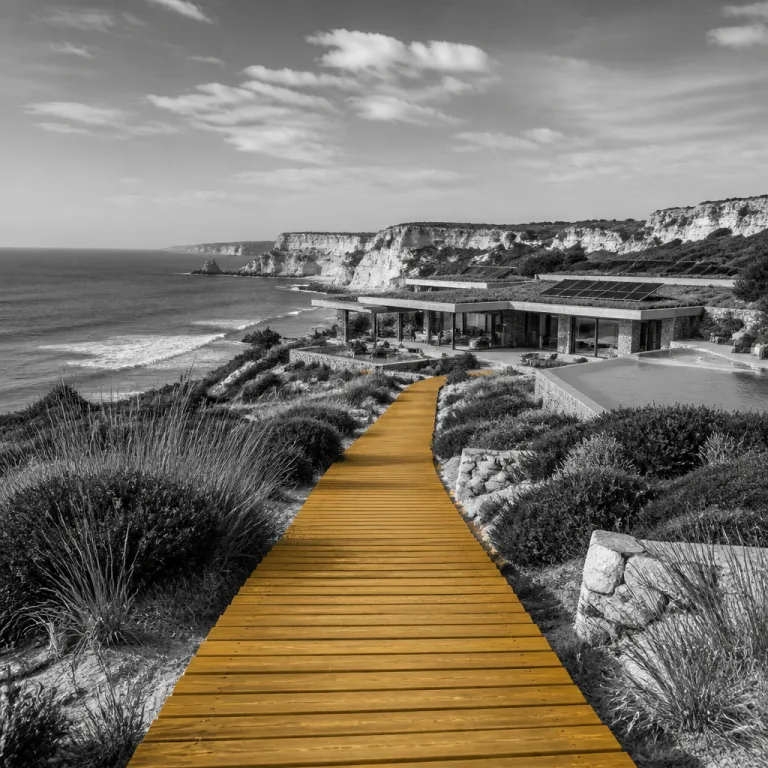
How smarter booking journeys are reshaping luxury hotel choices in the Algarve
Algarve travelers now expect refined comfort aligned with responsible choices. The idea behind a modern, sustainability-aware booking journey in luxury and premium hotel reservations is to make that balance visible at the moment of reservation, not hidden in a brochure. This shift lets you compare properties by their design, service, and sustainability credentials in a single, elegant interface.
On a contemporary booking website focused on the Algarve, this kind of curated journey usually means a guided flow from inspiration to confirmation, where every step highlights environmental and social impact. Instead of endless generic listings, you see a smaller selection of premium hotels that publish energy data, water saving measures, and local sourcing policies alongside room photos and rate details. A thoughtfully designed booking pipeline helps you filter not only by pool size or spa access, but also by carbon footprint and community engagement.
For guests planning a stay in Lagos, Vilamoura, or Tavira, this approach turns sustainability from a vague promise into a concrete decision factor. You might compare a clifftop resort with solar powered heating against a golf hotel investing in native landscaping that reduces irrigation by thousands of litres each week. When a booking site structures its reservation flow around these transparent metrics, it becomes far easier to align your holiday with your values without sacrificing indulgence.
Reading sustainability signals on Algarve luxury booking platforms
Many premium Algarve hotels now publish sustainability badges, but their meaning varies widely. A thoughtful booking architecture on a hotel website translates those scattered signals into clear, comparable criteria that you can scan in seconds. This structure matters, because it helps reduce greenwashing and rewards properties that invest in measurable change.
Look for booking flows where the search filters include recognised third party certifications such as Green Key, Travelife, or EarthCheck, rather than vague in house labels. When a hotel in Albufeira or Carvoeiro appears with a verified certification, the platform should explain what that standard covers, from waste management to staff training. A mature booking journey will also highlight whether the property reports annual progress, not just a one time audit.
Slow travel is becoming central to Algarve hospitality, and the best booking sites now connect this philosophy directly to their user journey. When you read about the region’s quiet move toward slow travel on a dedicated guide to why the Algarve’s slow travel trend is reshaping premium stays, you see how longer, more immersive trips reduce per day emissions and support local businesses. A booking experience that surfaces minimum stay incentives, rail friendly transfers, and neighbourhood experiences within its flow helps you plan a slower, richer itinerary from the outset.
From marketing promise to measurable impact in Algarve premium hotels
Some Algarve resorts now treat sustainability as core infrastructure rather than a marketing slogan. A sophisticated booking interface on a luxury travel website can spotlight these leaders by integrating hard data into the search and comparison stages. This lets you see which properties are quietly rebuilding their operations around energy efficiency, water resilience, and landscape restoration.
Projects such as Ombria Resort near Loulé, Quinta Bohemia, and Vale Palheiro show how deep this transformation can go, from geothermal systems to rewilded valleys. Publicly available figures from Ombria’s sustainability reports, for example, indicate that its geothermal system can cut heating and cooling energy use by around 60 percent compared with conventional boilers and chillers, while native planting and smart irrigation reduce landscape water consumption by an estimated 40 percent per year. When a booking platform aligns its decision flow with these realities, it might display estimated energy savings per guest night or hectares of restored land next to suite descriptions and spa menus. Reading about what Ombria, Quinta Bohemia, and Vale Palheiro are actually building helps you understand why these metrics deserve space in the booking flow.
For travelers comparing premium options, a transparent booking journey can highlight whether a hotel uses desalinated water, greywater recycling, or native planting to reduce irrigation. It can also show if the property offsets flights through credible schemes or focuses instead on direct local investment. When this information appears early and consistently within the reservation process, you are more likely to choose a stay that feels indulgent yet genuinely future focused.
Designing your stay: matching personal values with Algarve luxury
Choosing a luxury hotel in the Algarve now involves more than comparing infinity pools. A well structured booking journey on a premium website helps you translate personal priorities into concrete filters and meaningful shortlists. This is where sustainability becomes practical, guiding you toward properties that reflect your lifestyle rather than just your budget.
If wellness is central to your trip, you might use a booking flow that highlights hotels with organic spa products, plant forward menus, and outdoor yoga decks facing the Atlantic. Families may prefer properties that publish child friendly sustainability initiatives, such as educational nature walks or plastic free kids’ clubs. A flexible booking interface can surface these details through icons, short descriptions, and guest reviews that specifically mention environmental and social practices.
Travelers who value privacy and space often look for suites with large terraces, private plunge pools, or direct beach access. On a curated Algarve platform, the reservation journey can combine these comfort criteria with sustainability markers like low energy lighting, smart climate control, and local stone or cork finishes. By the time you reach the payment page within this flow, you know not only what your room looks like, but also how your stay supports the region’s long term resilience.
How booking platforms can guide you toward quieter, greener Algarve escapes
Algarve’s coastline attracts millions of visitors, yet its most rewarding luxury stays often sit slightly inland or in less crowded coves. A carefully designed booking journey on a premium website can gently steer demand toward these quieter, more sustainable locations. This benefits both guests seeking calm and communities eager to spread tourism more evenly.
When you search for a five star stay in peak season, the booking flow might suggest alternative dates or nearby villages with better capacity and lower environmental pressure. Properties in Monchique, São Brás de Alportel, or the Barrocal interior can then appear alongside coastal icons, framed as equally luxurious but more tranquil choices. A nuanced reservation pipeline will also highlight low impact activities such as guided hiking, birdwatching in the Ria Formosa, or vineyard visits that support small producers.
Midway through your research, it helps to consult curated overviews of refined accommodation across the region. A dedicated guide to elegant places to stay and nice hotels in the Algarve can complement the booking site’s structure by giving narrative context to each area. When platforms integrate this kind of editorial insight into their booking journey, your final choice feels less like a transaction and more like the first chapter of a considered trip.
What to check before you confirm your Algarve luxury booking
Right before payment is when your choices carry the most weight. A transparent booking summary should present not only price, cancellation terms, and room details, but also the sustainability profile of your selected hotel. This final snapshot helps you confirm that your indulgent stay aligns with the Algarve you want to support.
On the confirmation page, look for clear statements about where the hotel’s staff come from, how waste is handled, and whether local suppliers are prioritised for food and amenities. The booking journey should also show how your stay contributes to conservation funds, cultural projects, or training programmes in the surrounding community. When these elements appear alongside loyalty benefits and upgrade options, the reservation flow treats sustainability as part of the luxury proposition rather than an optional extra.
Guests increasingly expect booking websites to store their preferences for future trips, from pillow types to electric vehicle charging needs. A refined Algarve focused booking experience can remember that you prefer properties with strong environmental credentials and suggest similar hotels next time. Over multiple stays, this consistent journey nudges the market toward higher standards, rewarding hotels that invest seriously in the region’s landscapes and people.
Key figures shaping sustainable luxury travel in the Algarve
- According to Turismo de Portugal’s accommodation statistics for 2022, the Algarve receives roughly 20 million overnight stays annually, which makes the region’s hotel sustainability practices critical for managing water, energy, and waste at scale. The tourism board’s official statistical portal provides annual breakdowns by region and category, allowing booking platforms to benchmark performance over time.
- Data referenced by the Portuguese Environment Agency in its coastal water management reports indicates that tourism related water consumption in seaside regions can rise by more than 30 percent in peak months, underlining why many premium Algarve hotels now invest in greywater recycling and low flow fixtures. These seasonal spikes are particularly relevant for golf resorts and spa properties with extensive landscaped grounds.
- Green Key reports that Portugal counts over 300 certified tourism establishments, with a growing share located in the Algarve, signalling that third party verified sustainability is becoming a competitive advantage in the luxury segment. Annual Green Key country reports list participating hotels, campsites, and guesthouses, which booking engines can integrate as verified filters.
- Studies cited by the Global Sustainable Tourism Council suggest that more than 70 percent of travelers say they are more likely to book accommodation with clear sustainability information, which supports the shift toward booking flows that foreground environmental data. These surveys highlight that guests respond best to concise, comparable metrics rather than generic eco friendly claims.
- European Commission climate targets aim to cut greenhouse gas emissions significantly by mid century, encouraging Portuguese hotels to adopt renewable energy and efficiency measures that many Algarve properties now highlight directly within their booking journeys. National roadmaps for tourism decarbonisation translate these goals into sector specific guidance on building upgrades and clean energy investments.
FAQ about sustainable luxury hotel booking in the Algarve
How can I tell if an Algarve luxury hotel is genuinely sustainable ?
Look for recognised certifications such as Green Key, Travelife, or EarthCheck, and check whether the hotel publishes specific data on energy use, water savings, and waste reduction. On a good booking website, the reservation journey will surface these details early, not hide them in small print. Guest reviews that mention sustainability practices in concrete terms are another strong indicator.
Are sustainable luxury hotels in the Algarve more expensive ?
Rates vary widely, but sustainable luxury is not automatically pricier. Many Algarve hotels reduce operating costs through efficiency measures, which can help keep prices competitive while still offering premium experiences. A transparent booking interface lets you compare value by showing what is included, from renewable energy to local sourcing.
Which Algarve areas are best for quieter, eco conscious luxury stays ?
Beyond the main resort towns, areas such as the Barrocal interior, Monchique hills, and eastern Algarve near Tavira often host tranquil premium properties with strong environmental credentials. Booking platforms that structure their search and comparison tools around both location and sustainability can highlight these options alongside coastal icons. This helps you balance access to beaches with a calmer, more nature focused setting.
What sustainable features should I prioritise when booking a premium hotel ?
High impact features include renewable energy use, efficient cooling systems, serious water management, and robust waste reduction policies. You might also value local employment, regional food sourcing, and support for conservation or cultural projects. A well designed booking journey will let you filter or at least clearly identify hotels that meet these criteria.
Can my booking choices really influence sustainability in the Algarve ?
Yes, because consistent demand for transparent, responsible hotels pushes more properties to invest in credible initiatives. When you use a booking website whose reservation flow highlights sustainability metrics, your choices send a clear signal to both hoteliers and platform operators. Over time, this shapes which projects get financed and which practices become standard in Algarve luxury hospitality.