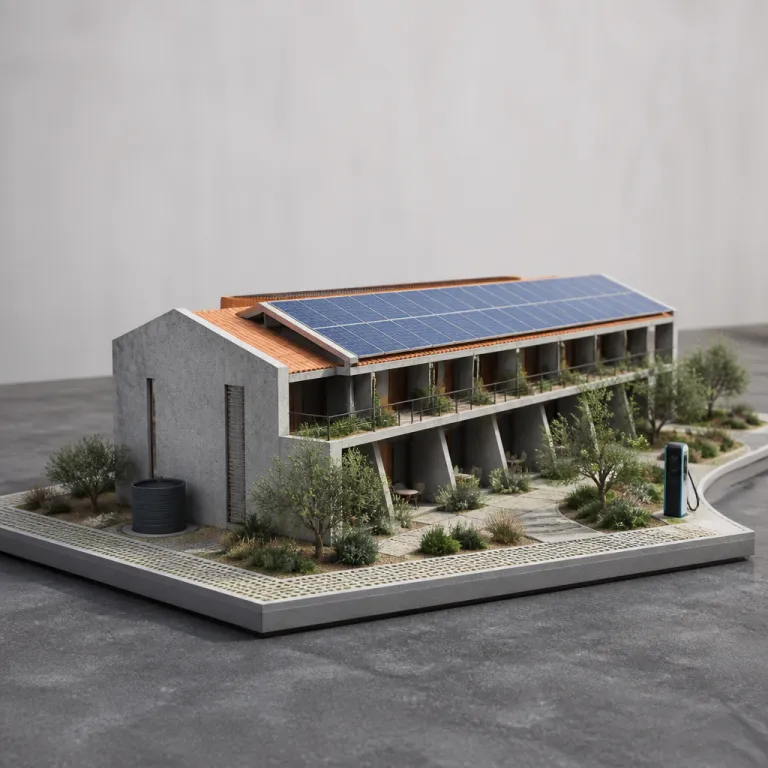
How a sustainability budget reshapes the eco resort Algarve landscape
Região de Turismo do Algarve has committed EUR 8.8 million to sustainability, and that figure quietly reframes how you choose an eco resort in the Algarve. The investment targets water conservation, waste systems and sustainable agriculture, which directly affects the way each resort, hotel and nature resort manages its land, its swimming pool circuits and its relationship with the surrounding nature. For guests, the eco resort Algarve conversation shifts from marketing language to measurable sustainability, especially when you compare resorts Portugal wide and look at how this region uses public funds.
The tourism authority wants to reduce seasonality, improve environmental impact and support the local economy, so eco resorts in the Algarve are being nudged to operate year round with lower resource use. That means an eco friendly beach resort near Albufeira or a quiet eco lodge in the barrocal hills increasingly has to show how it handles water, energy and waste, not just offer a good price and a sea view. When you plan your stay, you are no longer only weighing the best eco hotels Portugal can offer on design and service, but also on how deeply they align with this regional sustainability framework.
The same budget also funds digital platforms and sustainability guidelines, which influence how booking journeys feel on a luxury hotel website. Expect clearer information about eco hotels and eco resorts, more transparent resort offers and better mapping of local experiences that keep you in contact with nature rather than in a closed resort bubble. For a solo traveler comparing hotels Portugal wide, this makes it easier to filter for an eco resort Algarve option where sustainability is not a vague promise but a visible part of daily operations.
Water, golf and the quiet tension behind your coastal stay
Faro Airport now handles more than ten million passengers a year, and that volume puts real pressure on water, especially when many resorts Portugal side still revolve around golf and large swimming pool complexes. The EUR 8.8 million sustainability initiative tries to balance this by funding better water management and supporting more sustainable agriculture, which indirectly reduces the strain created by hotels, villas and golf focused resort developments. When you choose an eco resort in the Algarve, you are stepping into this tension between mass tourism and natural beauty, and your booking choices matter.
Ombria, near Loulé, is the clearest case study of how a luxury resort can respond intelligently to this context. The Viceroy at Ombria uses bioclimatic architecture, has planted more than seven hundred native trees and runs a river restoration programme alongside a GEO Foundation certified golf course, which makes it one of the best eco examples in Portugal eco hospitality. Here, sustainability is not a label but a design principle, from the way villas are oriented for natural light to how the nature resort landscape doubles as wildlife habitat rather than just a manicured backdrop.
The regional tourism board describes the initiative plainly in its own material, stating that “A 2026 investment to promote sustainable, year-round tourism in Algarve.” and “Tourists can expect more diverse activities and eco-friendly options.”. For you, that translates into more eco beach walks with guides, more local food experiences and fewer purely extractive activities that ignore the fragility of the Algarve coastline. If you are considering a corporate offsite or retreat, this shift also underpins the kind of properties highlighted in guides to sustainable corporate retreats in the Algarve, where water use, energy systems and community impact are now part of the selection criteria.
Reading eco labels: from greenwashing to genuinely sustainable stays
On a luxury booking page, almost every hotel now claims to be eco friendly, but the eco resort Algarve reality is more nuanced than a green leaf icon. Serious eco hotels and eco resorts in Portugal usually hold recognised certifications, publish sustainability reports and explain how they manage energy, water and waste, while weaker players rely on vague language about nature and wellness. When you compare hotels Portugal wide, look for concrete details such as solar systems, grey water reuse, native landscaping and partnerships with local producers rather than generic promises.
Certifications like Green Key, EarthCheck or GEO Foundation for golf properties are useful filters, especially when you are choosing between large resorts Portugal side that look similar at first glance. A nature resort that documents its biodiversity work, limits lawn irrigation and designs its swimming pool system to minimise water loss is doing more than a beach resort that simply asks guests to reuse towels. When a property in the eco resort Algarve segment explains its sustainability strategy clearly, you can better judge whether its higher price reflects genuine investment or just marketing.
For solo travelers, this scrutiny pays off in daily experience, because truly sustainable hotels tend to be more attentive to detail and more connected to their local communities. You will often find smaller scale eco lodge options inland, where natural beauty is the main amenity and the view is of orchards or cork forest rather than a car park. When you are refining your itinerary, resources such as this guide to choosing a luxury hotel in Lagos can help you balance design, service and sustainability in a way that suits your style of stay.
What sustainability looks like day to day at an Algarve eco resort
On the ground, a well run eco resort in the Algarve feels subtly different from a conventional coastal hotel. Breakfast leans on local produce and seasonal fruit, staff talk knowledgeably about nearby trails and nature reserves, and the resort offers activities that connect you with the land rather than just the bar. You notice that the swimming pool is sized sensibly, shaded by trees instead of plastic structures, and that the surrounding gardens use drought tolerant plants that reflect the natural beauty of southern Portugal.
In a serious eco hotel, housekeeping avoids single use plastics, amenities are refillable and linen changes are discussed rather than imposed, which respects both sustainability goals and guest comfort. Many eco resorts now integrate small villas or suites that open directly to gardens or dunes, blurring the line between interior and exterior and giving you a more immediate sense of nature during your stay. When you walk from your room to the beach, you might pass interpretive signs about local ecosystems or see evidence of dune restoration instead of only sunbed rows.
Some properties in the eco resort Algarve category experiment with on site organic gardens, composting systems and partnerships with nearby farms, which shortens supply chains and keeps more value in the local economy. Others design their resort offers around low impact experiences such as guided kayaking, birdwatching or slow food dinners rather than high consumption packages. As a guest, you still enjoy the best aspects of a luxury resort, but the rhythm of your day feels more grounded, more natural and more aligned with the long term sustainability of the Algarve.
Beyond the coast: slow travel, inland retreats and the future of eco resorts
The EUR 8.8 million sustainability push also encourages visitors to look beyond the classic beach strip and consider inland eco resorts and eco lodges. This is where the eco resort Algarve idea becomes more interesting, because rural properties can operate with lower water use, more space for rewilding and deeper ties to local communities. For a solo explorer, a few nights in the hills around Loulé or Monchique can balance a coastal stay and reduce your footprint while still offering comfort and style.
Across resorts Portugal wide, there is a gradual shift from high density beachfront development towards more dispersed, low impact nature resort models. You see this in the rise of small scale eco hotels with only a handful of villas, in the popularity of eco beach cabins that sit lightly on the sand and in the way some properties frame their view not as a commodity but as a shared resource. Even when you look at other parts of Portugal eco hospitality, such as coastal projects like Pestana Tróia or the Troia Eco developments, the same logic applies, with more attention to dune systems, wetlands and wildlife corridors.
For travelers who enjoy linking regions, it is increasingly easy to combine an eco resort Algarve stay with a few nights in another Portuguese city that values riverside landscapes and walkable neighbourhoods. Guides to elegant riverside hotels in Porto show how sustainability and sense of place can coexist in an urban setting, complementing your coastal experience. Over time, as more eco resorts and eco hotels adopt serious sustainability standards, the best eco choices will feel less like a niche and more like the quiet default for thoughtful guests.
FAQ
What is the Algarve’s EUR 8.8 million sustainability initiative ?
The Algarve’s EUR 8.8 million sustainability initiative is a regional programme led by Região de Turismo do Algarve to embed sustainability into tourism. The funding supports water conservation, better waste management, sustainable agriculture and marketing that promotes year round, lower impact travel. For travelers, it means more eco friendly accommodation options, better managed beaches and a wider range of nature based activities.
How will this investment affect my choice of eco resort in the Algarve ?
The investment encourages resorts and hotels to adopt clearer sustainability standards and to communicate them more transparently. You can expect more properties to highlight certifications, publish environmental data and design resort offers around local nature rather than only poolside leisure. Over time, this should make it easier to identify genuinely sustainable eco resorts that justify their price with real environmental performance.
Are eco resorts in the Algarve more expensive than regular hotels ?
Some eco resorts and eco hotels in the Algarve do sit at a higher price point, especially when they invest heavily in bioclimatic architecture, renewable energy and on site conservation. However, there are also mid range nature resort options and eco lodges where rates are comparable to conventional hotels. The key is to look at what is included in the stay, from local food to guided activities, and decide whether the added value aligns with your priorities.
How can I tell if an Algarve hotel is truly eco friendly and not just greenwashing ?
Look for recognised certifications, detailed sustainability information on the hotel website and specific examples of practices such as water reuse, native landscaping and waste reduction. Genuine eco resorts usually explain their partnerships with local communities and may publish annual sustainability reports or impact summaries. If a property only uses generic language about nature and wellness without concrete data, treat its eco claims with caution.
Is it better for sustainability to stay inland or on the beach in the Algarve ?
Inland eco resorts and eco lodges often have lower water use and less pressure on fragile dune systems, which can make them a more sustainable choice. Beachfront hotels can still be responsible if they manage water carefully, protect dunes and limit construction density, but the environmental stakes are higher. A balanced itinerary that mixes a few nights by the beach with time in a rural nature resort is often the most considerate option.