Mapping Algarve summer dining for a solo coastal escape
Algarve summer dining is not a marketing slogan, it is a calendar written in tides, markets and the quiet rhythm of fishing boats leaving before first light. Between June and September the Algarve region shifts from gentle spring grills to a sharper focus on rare seafood, and the best luxury hotels suddenly sit beside restaurants where the chef still checks the harbour before planning lunch dinner service. If you are planning a solo trip through the south of Portugal Algarve, the way you eat will shape your days as much as the beaches you choose.
Start by thinking of the Algarve as several small food regions rather than one long resort strip, because the western cliffs around Sagres, the lagoon of Ria Formosa and the low, sandy islands east of Faro all feed different restaurants and different dishes. In the west, the Atlantic hits harder and the fish seafood offer leans towards robust tuna, percebes and grilled sardines, while the calmer waters of Ria Formosa favour razor clams, oysters and lighter Algarve cuisine that pairs beautifully with chilled wine Algarve labels. Luxury and premium hotels that understand this rhythm will point you to restaurants close to the docks rather than only to polished restaurants cafés on the main square, and that is where the most interesting dining experience usually begins.
For travellers arriving from Lisbon Porto on a longer road trip, the contrast feels immediate as soon as you cross into Algarve Portugal and smell sea salt drying on the air. Inland, whitewashed villages still trade in dried figs and figs almonds, and many traditional tascas quietly serve regional food year round to local workers who have never read a guidebook. To eat well on hot summer days, you need to read best local cues rather than glossy menus, and that is exactly where a curated hotel booking website focused on the Algarve region can quietly change your stay.
Percebes, sea salt and the high season markets
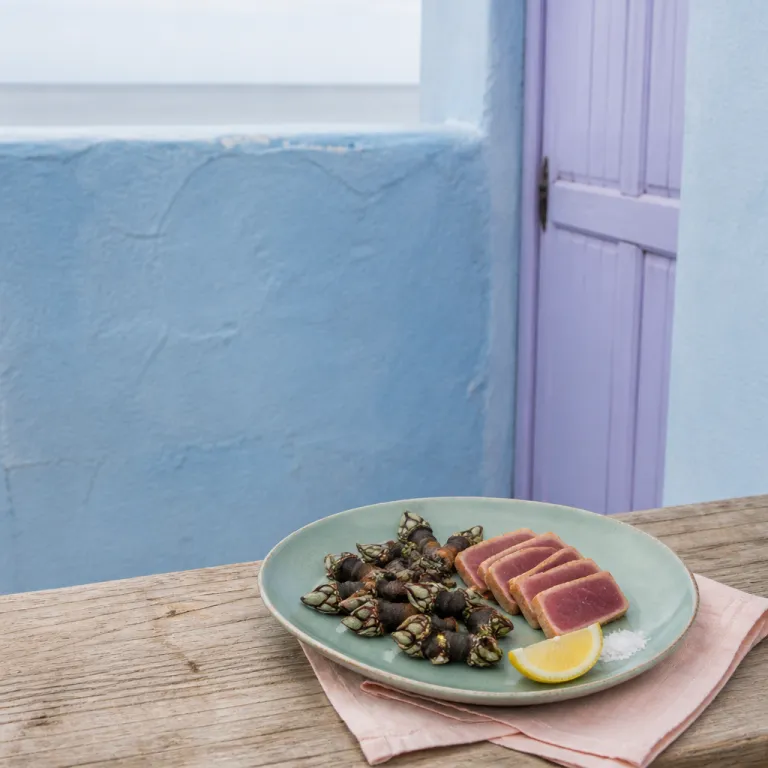
Percebes are the purest expression of Algarve summer dining, and they are also the most misunderstood. Officially goose barnacles, they cling to wave smashed rocks on the western Algarve, and local mariscadores risk real danger to harvest them from cliff faces near Sagres and Aljezur. When you see them in a restaurant during peak summer days, the price reflects that risk as much as the flavour, with market stalls in Olhão and Quarteira often asking between 80 and 120 euros per kilogram.
They should arrive at your table almost naked, boiled briefly in seawater or lightly salted water and finished with nothing more than sea salt, because any olive oil or sauce would drown their iodine rich sweetness. The best way to eat them is standing at a stainless steel counter in a market tasca, where fish seafood platters share space with simple Portuguese dishes like salada de polvo and grilled carapaus, and where the staff will happily explain that “What are percebes?” and “What is a tasca?” are questions they hear every day. This is where you feel how algarve cuisine is built on restraint, and why the most memorable dining experience often costs less than a poolside snack at a five star resort.
Plan at least one morning at the Quarteira fish market on a Saturday, when local families, chefs from nearby restaurants cafés and curious visitors all crowd the aisles. Here you can read the season in a single glance, from crates of atum to piles of clams destined for cataplana, and you will understand why “When is the best time to visit Algarve for seafood?” is always answered with the same words ; summer months, from June to August. If your hotel concierge knows which market tascas are popular with stallholders rather than tourists, you are in the right kind of luxury property for a serious food focused trip.
Atum off Sagres and the parallel world of tascas
Bluefin atum defines another side of Algarve summer dining, especially along the coast between Sagres and Lagos where traditional line fishing still matters. In June and July, boats leave Sagres harbour before sunrise, and by late morning the best harbour side restaurants close to the docks are already planning raw atum starters, seared steaks and tins of conserva for later in the year. This is not a show for visitors ; it is a working rhythm that shapes what appears on local menus and what disappears by early afternoon.
For a solo traveller staying in a luxury hotel near Lagos, the smartest move is to skip the obvious promenade restaurants and follow the fishermen to their preferred tascas. These small, traditional Portuguese eateries sit behind the harbour or beside the market, and they serve atum belly with nothing more than olive oil, piri piri and sea salt, alongside other popular dishes like feijoada de búzios or grilled cuttlefish. The atmosphere is relaxed but serious about food, and you will quickly see why the Algarve holds several Michelin stars while also maintaining a parallel tasca circuit where locals eat year round without ceremony.
Base yourself in Faro if you want easy access to both Ria Formosa seafood and the western cliffs, and consider one of the elegant hotel options in Faro city highlighted in this refined Algarve stay guide. From there you can take day trips to Olhão for market tascas, to Tavira for quieter beaches and to Lagos for atum focused dinners, stitching together your own road trip of restaurants cafés and small harbour bars. The key is to let the coast set your schedule, eating a light lunch dinner in the heat and saving the more elaborate dining experience for the cooler evening breeze.
Ria Formosa, figs almonds and where luxury hotels fit in
East of Faro, the Ria Formosa lagoon softens the Atlantic and changes the tone of Algarve summer dining again. Here the focus shifts from dramatic cliffs to sandbank islands, from pounding surf beaches to quiet channels where shellfish beds sit just below the surface, and from heavy grilled seafood to lighter Algarve cuisine built around clams, oysters and simple rice dishes. It is a gentler landscape, and many of the best luxury hotels use this calm to frame slow, food centred days for solo travellers who want both comfort and a sense of place.
In this part of Algarve Portugal, look for restaurants close to the water taxi piers, where local families eat arroz de lingueirão and amêijoas à Bulhão Pato before taking the last boat back across the lagoon. Menus often weave in inland produce such as dried figs and figs almonds, sometimes as a simple dessert with honey, sometimes folded into cakes that pair beautifully with chilled wine Algarve whites. A well curated hotel will not only book your table but also time your boat transfers, turning a simple lunch dinner into a full day dining experience that moves from market to island and back again.
For travellers who want to balance long summer days of eating with serious rest, properties like the clifftop retreats featured in this Atlantic reset on the Algarve cliffs guide offer a different angle. You might spend the morning on a catamaran exploring the coast, the afternoon in a thalasso pool, and the evening at a nearby restaurant where fish seafood from the same waters is served with nothing more than olive oil, piri piri and a squeeze of lemon. This is where the line between luxury hotel and local restaurant blurs, and where a thoughtful booking platform can steer you towards properties that respect the region rather than simply using it as a backdrop.
Designing a solo road trip around Algarve cuisine
Once you understand how the Algarve region eats in summer, planning a solo road trip becomes an exercise in connecting markets, tascas and hotels rather than ticking off beaches. Start in the west for percebes and atum, move through Lagos and Portimão for grilled fish seafood and then slow down around Faro and Ria Formosa for softer, lagoon focused dishes. Along the way, choose accommodation that treats algarve summer dining as part of the stay, not as an afterthought delegated to generic restaurants cafés with laminated menus.
A good luxury or premium hotel in Portugal Algarve will brief you on which restaurants close early when the catch sells out, which tascas are popular with local crews, and which beaches have a single, excellent restaurant rather than a strip of interchangeable options. They will also understand that some guests want to eat Portuguese food every day, from traditional cataplana to more contemporary plates that still respect sea salt, olive oil and the region’s produce. When a concierge can talk about percebes season, atum runs and the difference between market days in Olhão and Quarteira, you know you are in a place that takes both hospitality and gastronomy seriously.
Use those conversations to shape your days, perhaps starting with a harbour breakfast, moving to a shaded tasca for lunch dinner and ending with a glass of wine Algarve on a hotel terrace overlooking the Atlantic. Algarve summer dining then becomes the quiet structure of your trip, guiding you from one stretch of coast to another and helping you read best the subtle changes in light, wind and appetite. For a solo explorer, that is the real luxury ; eating where the coast eats, in a region that still lets its food speak louder than its marketing.
FAQ
When is the best time for percebes in the Algarve ?
The peak season for percebes in the Algarve runs from June to August, when sea conditions and tides allow harvesters to work the cliffs more frequently. During these months you will see percebes more often on market stalls in Olhão, Quarteira and Lagos, and on blackboard menus in small tascas along the western coast. Outside this window they appear less regularly, and prices can be higher due to limited supply.
What is a tasca and why does it matter for Algarve summer dining ?
A tasca is a small, traditional Portuguese restaurant that serves simple, regional dishes to a mainly local clientele. In the Algarve region, tascas near markets and harbours are where fishermen and stallholders eat, so the seafood is usually fresher and the cooking more honest than in many tourist focused restaurants. For travellers interested in authentic Algarve cuisine, these tascas offer a direct connection to daily life and to the seasonal rhythm of the coast.
How should I budget for seafood like percebes and atum ?
Percebes are among the most expensive seafood in Portugal because they are hand harvested from dangerous cliff faces, so expect market prices between 80 and 120 euros per kilogram in peak season. Atum is more accessible, with grilled steaks, tartare or conserva dishes in tascas and mid range restaurants typically priced similarly to other quality fish seafood plates. A balanced approach is to try percebes once in a specialist restaurant, then focus the rest of your budget on excellent but less rare dishes such as sardines, clams and tuna.
Do I need to reserve restaurants in summer, or can I just walk in ?
During busy summer days, reservations are strongly recommended for both fine dining restaurants and the most popular tascas, especially in coastal towns like Lagos, Albufeira and Tavira. Market side spots sometimes keep a few tables for walk ins, but you may face long waits at peak lunch dinner hours if you arrive without a booking. Ask your hotel concierge to reserve ahead, particularly for places known for percebes, atum or Ria Formosa shellfish.
Which Algarve areas suit a solo traveller focused on food ?
Sagres and Lagos are ideal for travellers interested in atum, percebes and dramatic Atlantic beaches, while Faro and Olhão work well for those who want easy access to Ria Formosa and its shellfish. Tavira offers a quieter base with good restaurants close to island beaches, and central Algarve towns like Portimão provide a mix of traditional tascas and more polished dining rooms. Choosing hotels that prioritise local gastronomy will make it easier to navigate these different areas and build a coherent, food led itinerary.